Event feedback your team can act on
Talkadot has gathered audience feedback at more than 75,000 sessions. [3] We help you ask better questions, encourage more feedback, and work out what to keep, change or spend on at your next event.
Schedule a demo callSchedule a 20 min discovery chat to see if we can help

Did your event do its job?
In Marketing General’s 2024 survey, lack of engagement was the most-cited reason executives believed members did not renew, selected by 47% of respondents to that question. [1]
A "Did you like it?" question measures enjoyment. In a 1997 meta-analysis of 34 training studies, ratings of usefulness were more strongly related to applying learning at work than ratings of enjoyment were. [2]
We help you get more responses and more useful insights from your event feedback.
Better questions about the same event
Start with what a successful event looks like. Then ask the questions that show whether you got there.
Illustrative question designs, not tested findings. We write yours with you.
How it works
Tell us what you want your event to achieve and which decisions you need to make. We help you work out what you need to learn from attendees.
We write the survey around what you want to learn. You confirm the goals and decisions it needs to inform; we handle the question wording.
We share best practices to help your team maximize feedback, from when to ask to how to introduce the survey. As responses come in, you get a pulse check instantly.
As responses come in, see what's landing in a live report you can share with your team.
We review the answers and walk your team through what they suggest you keep, change or explore next. We look for patterns across sessions and, when past results are available, across years.
How do you get a whole room to answer?
In an October 2026 customer interview, an association staff member reported that responses doubled or tripled when the board chair paused the room and asked attendees to respond. This was one customer’s account, not a controlled comparison. [4] We share best practices to help your team maximize feedback and get useful insights from the responses.
Talkadot has collected nearly 3 million audience responses at speaking engagements. [3]
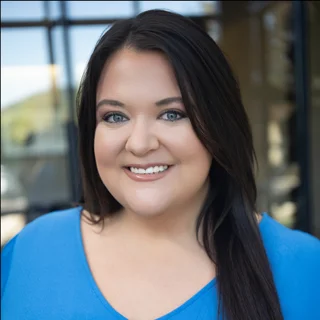
“Talkadot has made gathering member feedback easier and more impactful. It’s intuitive, beautifully designed, and most importantly, gives us the insights we need to make smarter programming decisions, track what’s working, and create experiences that drive member engagement and retention.”
Try it at your next event
We're looking to pilot this with a few associations this season. We'll work out what's involved together. We'd also like to share what you learn, with your approval.
Schedule a demo callSchedule a 20 min discovery chat to see if we can help
Prefer email? Write to [email protected]
Questions
What does this give us beyond our existing survey?
We help turn feedback into decisions about your next event. We write questions around what you need to learn, share best practices to encourage responses, and walk you through what the answers suggest you keep, change or explore next.
How much work will our team need to do?
You bring your event goals and the decisions you need help with. We handle question design and help you interpret the results. Together, we work out the time, setup and coordination needed for your event.
What if we don't know what we want to learn?
That's a useful place to start. Tell us about your event, what you're considering changing, and what you wish you knew about your attendees. We help turn those questions into a survey with a clear purpose.
What will we receive, and when?
You get a live report as responses arrive, followed by a debrief with our team to work through what the findings mean for your next event. We look for patterns across sessions and discuss what to keep, change or explore. We'll agree on the debrief timing with you.
What if attendees don't respond?
Getting more people to answer is part of what we help you plan. We share best practices on timing and introducing the survey, including an in-room prompt where it fits. Your team puts the plan into practice; the response rate will depend on your event and attendees.
Do we have to stop using our registration system's survey?
No. Keep it for overall event feedback and use Talkadot for the sessions and speakers you want to understand better. On the onboarding call, we help you decide what belongs where.
We have 40 breakout sessions. Does this still work?
Yes. You choose which sessions to survey, and each gets its own short set of questions. In the debrief, we look across the results to help you understand what they mean for your programme.
Will someone from Talkadot attend our event?
Where it makes sense, someone from our team may attend to help set up the talk and prepare attendees to respond. We'll work out the right setup for your event together.
What does the pilot cost?
You'll get a generous discount during the pilot phase, and pricing depends on the scope of your conference. Schedule a demo to get pricing.
What happens after the pilot?
There's no ongoing commitment. After the debrief, you can decide whether you'd like our help with another event.
Who can see our feedback and results?
Your results are for your team and anyone you choose to share them with. We'll ask your permission before sharing any identifiable results publicly.
What does sharing pilot learnings involve?
We'd like to share what you learned and how it helped your event planning. You'll review and approve any case study, quote or results before we publish them.
Sources
[1] Marketing General, 2024 Membership Marketing Benchmarking Report, p. 47. Executives at 542 associations answered this question and could select up to three reasons. These are executives’ assessments, not a survey of departing members.
[2] Alliger, Tannenbaum, Bennett, Traver & Shotland (1997), A Meta-Analysis of the Relations Among Training Criteria, Personnel Psychology, 50, 341–358. The authors analysed 34 studies. The finding cited here is reported in the publisher’s abstract and concerns training, not association events specifically; it describes an association, not causation.
[3] Talkadot internal data.
[4] Talkadot customer interview, October 20, 2026. Association identity withheld. Interview-reported observation; not independently measured or evidence of a guaranteed response increase.