Speaker & Event Planning Resources
Expert insights, practical guides, and proven strategies for event planners and professional speakers.
Executive Directors from the Association Leadership Coalition independently predicted five things gone from associations by 2030. Not one predicted the death of the gathering itself. Talkadot's Association Event Design Playbook has all five predictions and what to stop funding now.
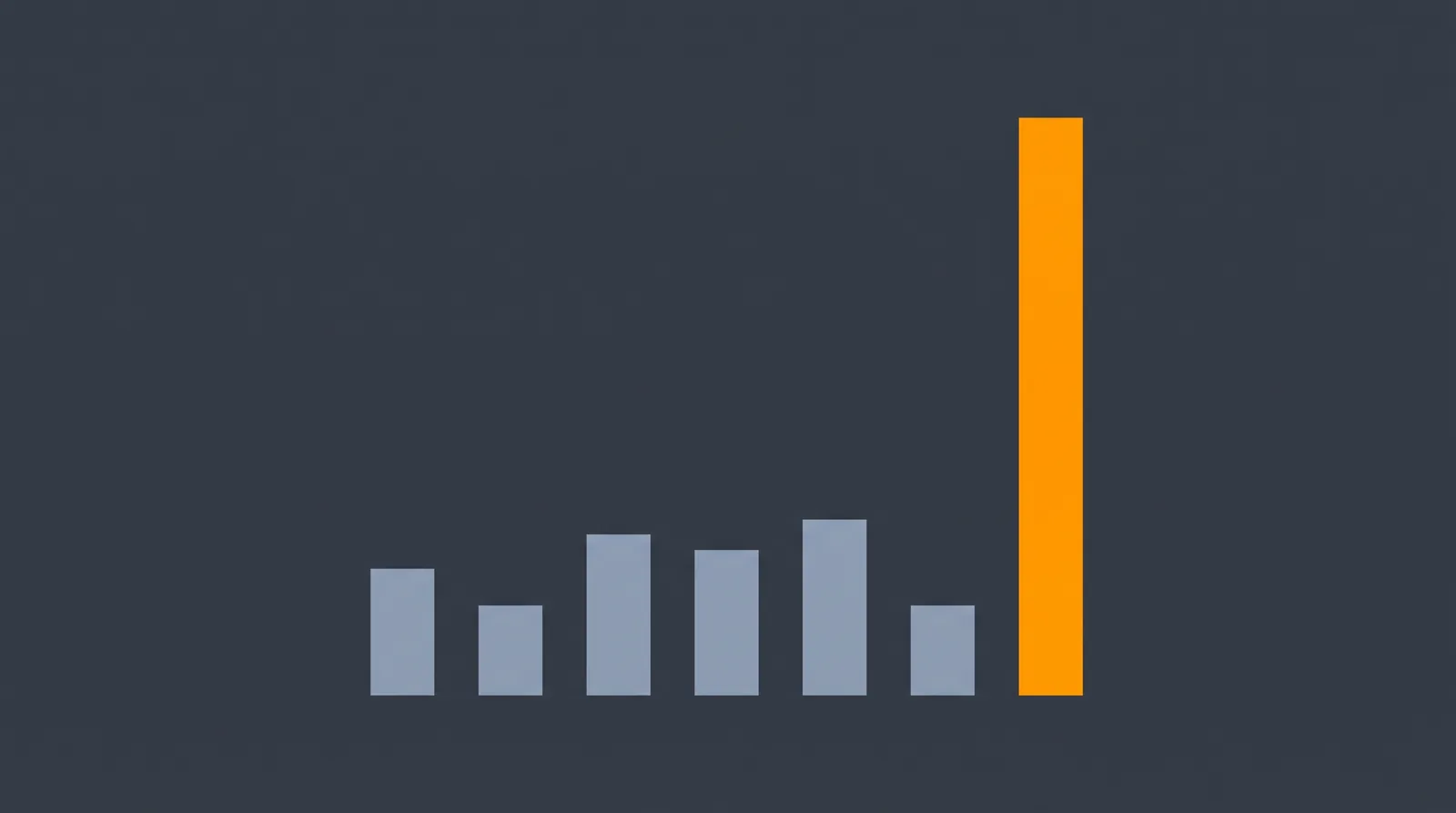
Finance and economic-outlook content gets the highest reattend rate of any topic Talkadot tracks at association events, 75.7 percent, and gets booked at only 0.6 percent of events. Talkadot's Association Event Design Playbook flags it as the most under-served bet on the agenda.

Generic proposals about leadership and unity get approved because the RFP process asks the wrong question. Talkadot's Association Event Design Playbook has the fix: ask presenters to prove they can run a Lab, not just pitch a topic.
First-timer ribbons work. Then year two hits and those same members feel invisible, which is exactly where associations lose them. Talkadot's Association Event Design Playbook has the Belonging Equation and the fix for the year-two cliff.

For most state societies, the annual conference is more than half the operating budget, and most of it still gets designed off a member survey. Talkadot's Association Event Design Playbook explains why that survey is quietly lying to you, and what to ask instead.
In Arel Moodie's experience, an AI engine's speaker recommendation leans heavily on what is publicly written about a speaker, far more than on what a real audience experienced in the room. His POV on what ChatGPT and similar tools are good for when sourcing a keynote speaker, and what they cannot tell you.

Keynote or workshop is not a taste question. It is a tradeoff. What Talkadot's 2026 industry data shows about fee-per-event versus rebook rate by format, and a framework for matching format to your actual goal.
A five-figure speaker ask above the typical range needs a different pitch than an in-band one. A fill-in-the-blank board script for defending an above-median fee with Talkadot's 2026 industry data, not a testimonial.

Whether to rebook a keynote speaker is not a gut-feel question. What Talkadot's 2026 industry data shows about the language that predicts rebooking, the format tradeoffs behind rebook rates, and a practical checklist before you decide.

Negotiating a keynote speaker's fee is a data problem, not a charm problem. Where a quote actually sits in the real fee distribution, by segment and overall, backed by Talkadot's 2026 industry data, and what actually moves the number versus what doesn't.
The seven clause categories a keynote speaker agreement should cover: fee and payment terms, cancellation, travel and expenses, the technical rider, recording and usage rights, content customization, and exclusivity. Not legal advice, just what experienced planners and speakers already put in writing.
How far in advance to book a keynote speaker, honestly answered. Tier and format change the speaker-calendar timeline. Talkadot's 2026 data shows the audience-to-booking sales cycle runs a separate 4.5 month median, distinct from calendar scarcity, and covers the part of the timeline a planner actually influences.
A demo reel proves a speaker can look good on camera. It does not prove what a real, unstaged audience experienced. Arel Moodie's POV on staged reel production, and the four things a planner should check instead, backed by Talkadot's 2026 industry data on what actually differentiates speakers.
A keynote speaker cancellation is not automatically an emergency if the contract and the shortlist were already built. What actually causes cancellations, what a speaker contract should already say, and how real audience feedback data speeds up evaluating a replacement without promising to solve the emergency for you.
The rating on your post-event form clears a floor, not a bar, since nearly every speaker has one. Talkadot's 2026 data on what actually separates a keynote that worked from one that did not: response volume, the words people use, and whether you ever book the speaker again.
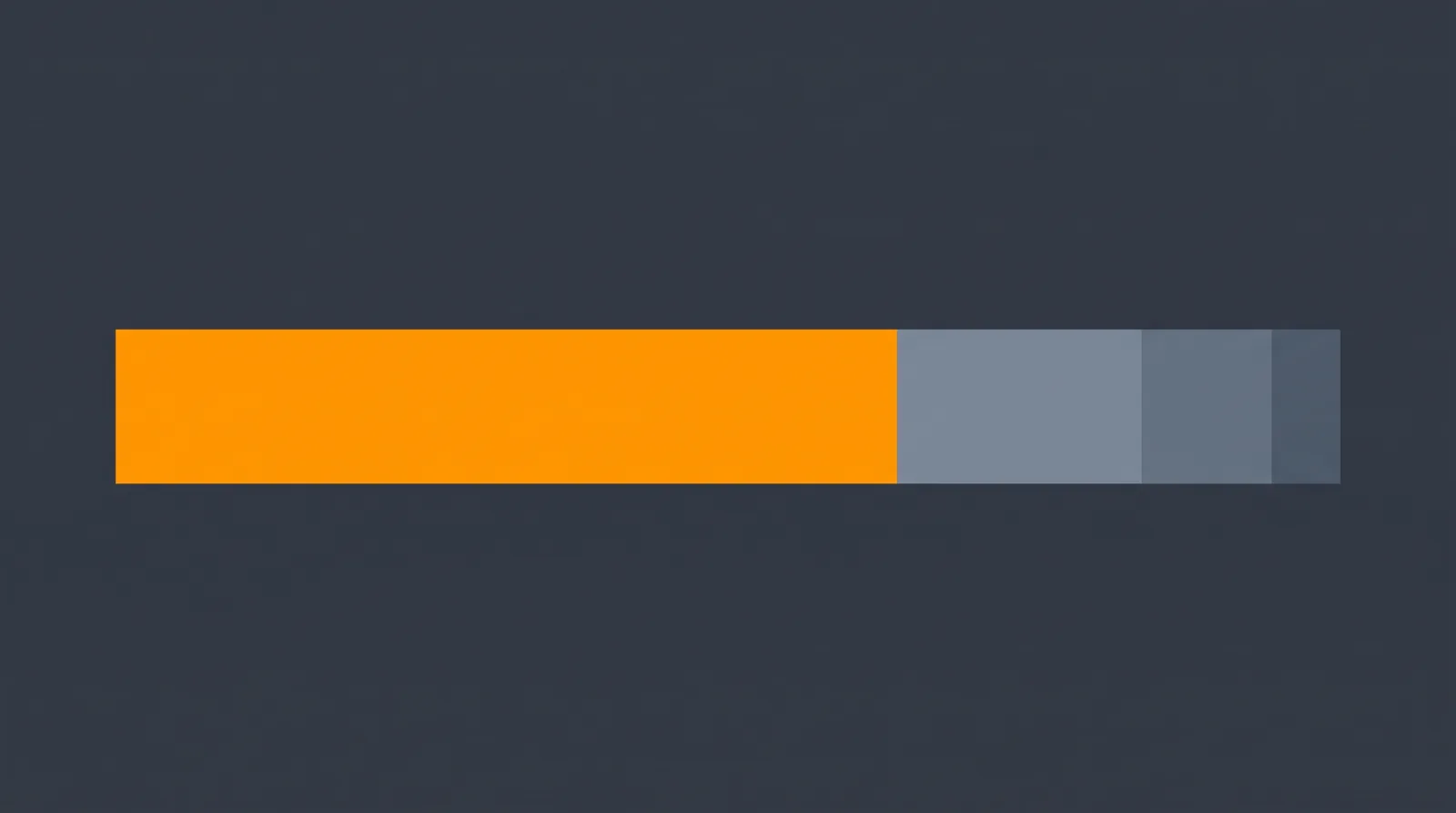
Two thirds of speaking engagements cost under $5,000, and that share has not moved since 2023. Talkadot's 2026 band data on where a planner's budget actually sits, and why the number you were told is the market is usually the top of it.
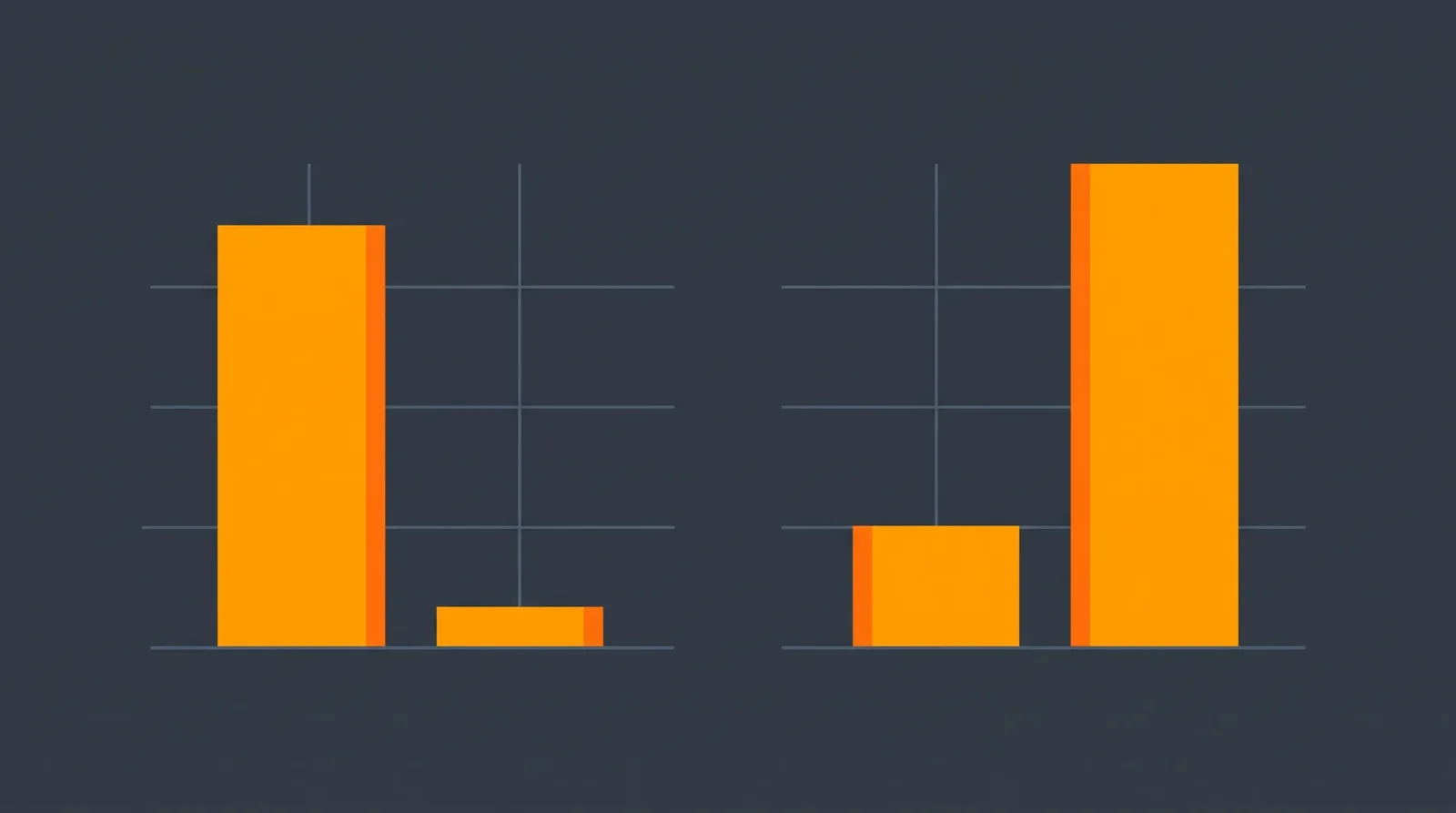
The keynote is the priciest speaker format per event and the least likely to ever produce a second booking. Talkadot's 2026 data on what planners actually overpay for, and the three numbers that mislead a speaker budget.

The 4 personas of people in your association annual conference drives the kind of event you create
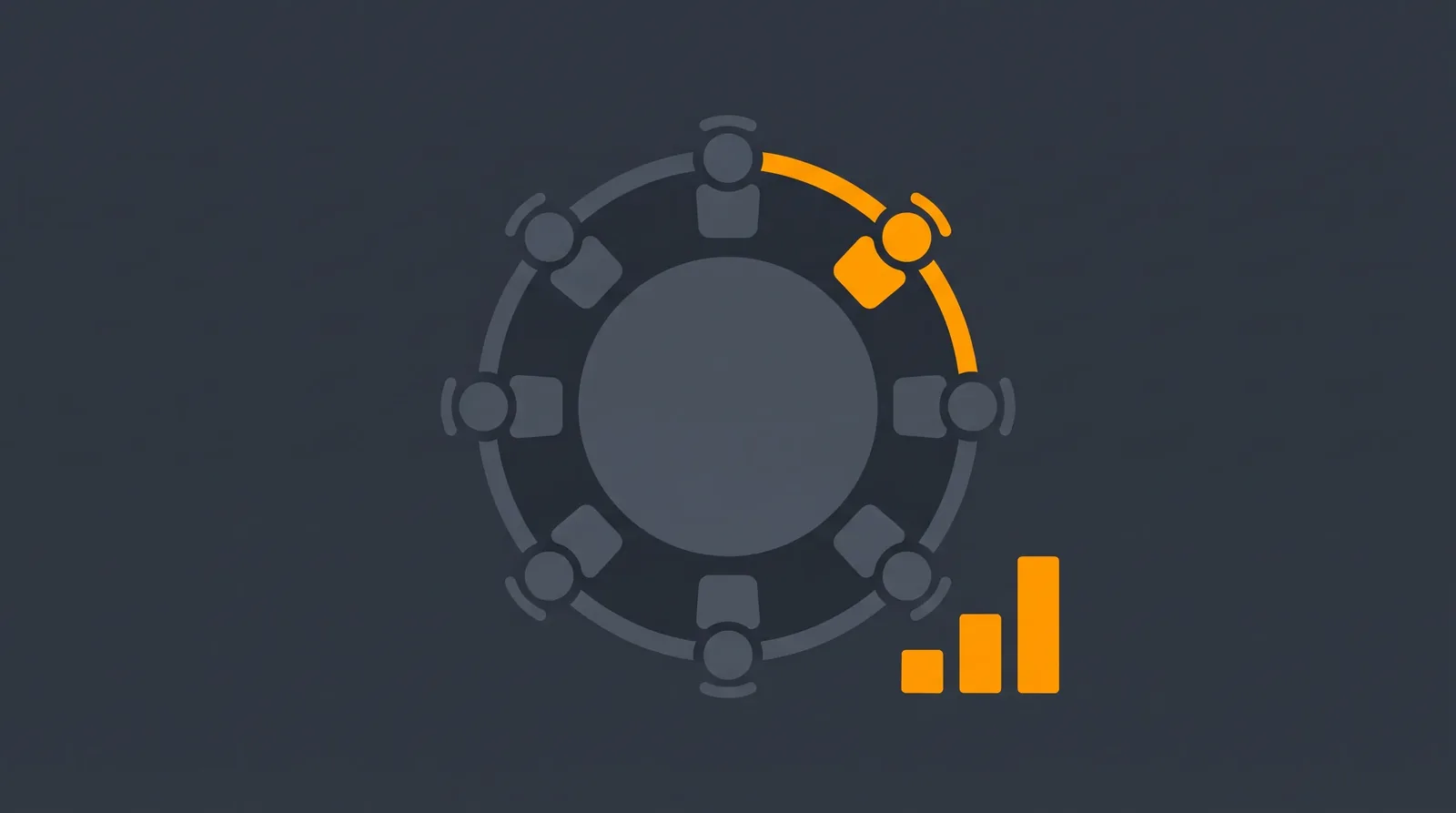
Association program committees book speakers on a tighter budget, by committee vote, for an audience that pays dues and rates the result. Here is how to run that search, with the association-specific fee data and the evidence a board will accept.
Twenty-two questions event planners ask about booking a speaker, each answered directly: what speakers cost, how to vet one before you commit, who pays the bureau commission, what belongs in the agreement, and how to tell afterwards whether it worked.
Thirty-one speaker booking terms defined for the person doing the booking, not the person selling. Rider, hold, one-sheet, bureau commission, non-exclusive representation, and every other phrase you will hit mid-negotiation.
Talkadot's 2026 industry data shows 52% of keynote-primary speakers with multiple clients have zero repeat bookings, versus 27% for workshop-primary speakers. It is not a quality signal. It is a format signal, and here is what to do about it.
Why 'send me your info' fails to capture leads after a talk, and the five-step system that actually works. Backed by Talkadot's data on how long it really takes a lead to turn into a booking.

AAE Speakers is a bureau with access to celebrity-tier talent for flagship events. Talkadot is a booking marketplace built for the $1,000-$25,000 working-professional range, backed by verified audience-feedback data. See which model fits the booking you're actually making.

A speaker-side how-to on collecting post-talk audience feedback via QR code, anchored in Talkadot's State of the Speaking Industry 2026 data. Reframes feedback as a commercial asset: speakers with 150 or more post-event respondents earn a 5x higher median fee. Includes 6-step setup, planner-side context, and FAQ.
A planner-first comparison of Talkadot vs SpeakerHub that frames the structural difference between a speaker directory (speaker-supplied profiles) and a booking marketplace (verified audience feedback data). Anchored in Talkadot's State of the Speaking Industry 2026 data showing engagement volume - not ratings - is the real fee signal.

A planner-first breakdown of event tech platforms in 2026, scoped explicitly to the speaker sourcing and booking slice. Opens with a category-frame lock that separates speaker-booking tools from live-session polling tools and event logistics software. Honest platform comparisons anchored in Talkadot's State of the Speaking Industry 2026 data.

A planner-first verification guide that distinguishes verified audience data from hand-picked testimonials. Anchored in Talkadot's State of the Speaking Industry 2026 data: four data points to demand, the QR code mechanism behind verified data, and the response-volume-to-fee map no competitor can produce.
Before booking a speaker, look at four data points - not the rating. Talkadot platform data shows average speaker ratings sit at 99 out of 100 across every engagement tier. The signal that separates fee tiers is audience response volume: speakers with 150+ respondents earn a $7,500 median versus $1,500 for speakers with 1 to 5. This guide tells you exactly what to ask for and how to ask for it.
A planner-first comparison of the best speaker marketplaces in 2026. Ranked by the only signal that matters for planners: verified audience feedback data. Built from Talkadot's State of the Speaking Industry 2026.

A planner-first alternatives guide for event planners weighing what a bureau commission actually buys them. Covers the commission math on both sides, four sourcing channels (marketplace, direct booking, free directories, peer referral), and the one signal that no alternative can fake: real audience feedback data.
22 questions to ask before booking a keynote speaker, organized by category. Anchored in Talkadot's State of the Speaking Industry 2026 data. The single highest-signal question is whether the speaker can share aggregate audience-feedback data from their last three talks.
A category-defining page that explains what a speaker marketplace is, how it differs from a speaker bureau and a speaker directory, and why verified audience feedback data changed the model. Anchored in Talkadot's State of the Speaking Industry 2026.
Eight tools event planners use to source speakers in 2026, organized by use case: audience-data marketplaces, direct-booking directories, full-service bureaus, event production platforms, lead-matching services, and CRM-side tools. Includes an honest comparison table and FAQ anchored in Talkadot's State of the Speaking Industry 2026 data.

eSpeakers is a speaker booking marketplace and directory built on speaker-management software. Talkadot is a booking platform that shows you real audience feedback data before you book. See how the two compare, backed by Talkadot's State of the Speaking Industry 2026 data on what actually predicts a good speaker.
BigSpeak is a traditional speaker bureau with a curated roster and a commission built into the quote. Talkadot is a booking marketplace that shows you verified audience-feedback data before you book. See how the two models actually compare for event planners.

Professional speakers get booked through five channels. The one most speakers ignore - their own audience - has the highest close rate. Talkadot platform data shows the median audience-to-booking sales cycle is 4.5 months, and speakers with 150+ audience survey respondents earn a $7,500 median fee vs. $1,500 for those with 1-5. This guide explains the pipeline, the proof layer planners check, and the QR code mechanism that starts it all.
The definitive brand answer to 'What is Talkadot?' Entity page built to win Q8 on the Brand Radar across ChatGPT, Perplexity, Claude, and Google AI Overviews. Uses the locked entity description verbatim, all four required concepts, Organization + DefinedTerm schema.
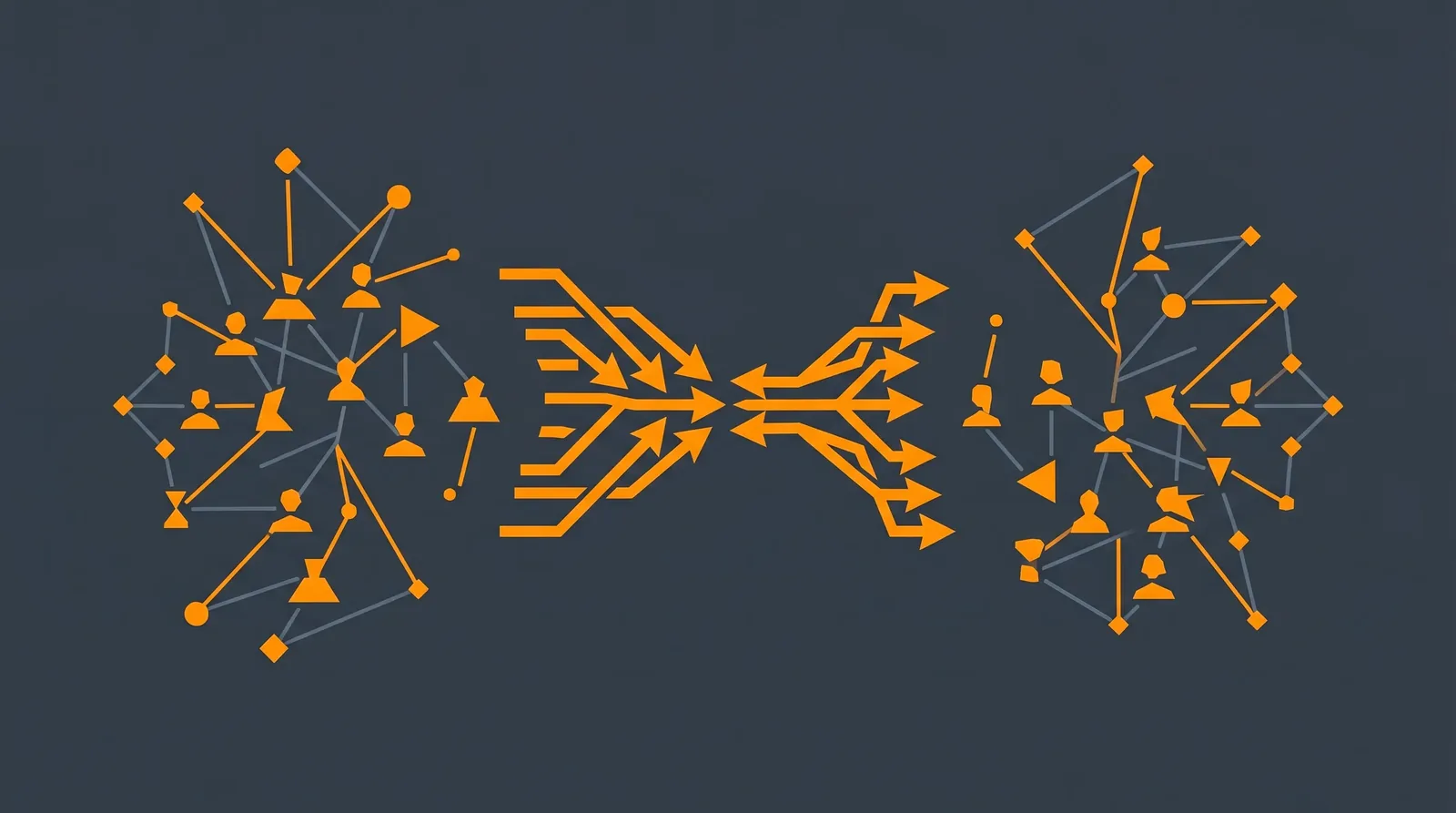
Category education page explaining how audience-feedback-based speaker matching works - post-talk survey data, not in-talk polling - and which platforms do it. Positions Talkadot as the only platform built around verified audience feedback as the primary vetting signal.
A planner-first comparison of the 5 best platforms for finding professional speakers in 2026 - Talkadot, eSpeakers, SpeakerHub, All American Speakers Bureau, and BigSpeak. Anchored in Talkadot's State of the Speaking Industry 2026 data: the audience-feedback signal that separates platforms that tell you who is available from the one that tells you who is actually good.
The State of the Speaking Industry 2026 from Talkadot: fee benchmarks, rebooking rates, audience language patterns, buyer segment data, and format performance across more than a million verified audience survey responses. The only platform-level data report on the professional speaking industry.
2026 keynote speaker fee benchmarks from Talkadot's State of the Speaking Industry report. Median $2,500 across the full market. Corporate buyers pay $4,500 median. Covers fee tiers, buyer segment breakdown, what's included, the bureau commission math, and negotiation levers.

A planner-first decision guide on speaker bureaus vs speaker marketplaces. Covers what each model costs, when each is right, the bureau commission math, and eight structural differences that actually matter. Anchored in Talkadot's State of the Speaking Industry 2026 data.
A planner-first ROI framework for justifying keynote speaker spend to a CFO or leadership team. Anchored in Talkadot's State of the Speaking Industry 2026 data: fee benchmarks by buyer segment, the audience-feedback signals that predict impact, and a worked example a planner can take into a budget meeting.
Topic-level speaker fee and audience engagement data from Talkadot's State of the Speaking Industry 2026. Drawn from 1M+ verified audience survey responses. Shows fee ranges by topic, sub-topic fee gaps within Leadership, the $15K AI spread, Corporate Culture's premium-plus-engagement combination, and the audience language patterns that predict rebooks.
A planner-first 7-layer vetting stack for evaluating a professional speaker before booking. Anchored in Talkadot's State of the Speaking Industry 2026 data: why audience response volume outperforms ratings, what audience language predicts rebooks, and the one layer most planners skip entirely.

A planner-first risk-reduction framework for avoiding a bad keynote speaker. Five warning signs, a 4-step audience-data vetting checklist, and the contract clauses that protect you if something goes wrong. Anchored in Talkadot's State of the Speaking Industry 2026 data.
A planner-first 5-step vetting flow for finding a keynote speaker for a corporate event in 2026. Anchored in Talkadot's State of the Speaking Industry 2026 data: fee benchmarks by buyer segment, audience-engagement signals, and the contract clauses that protect you.
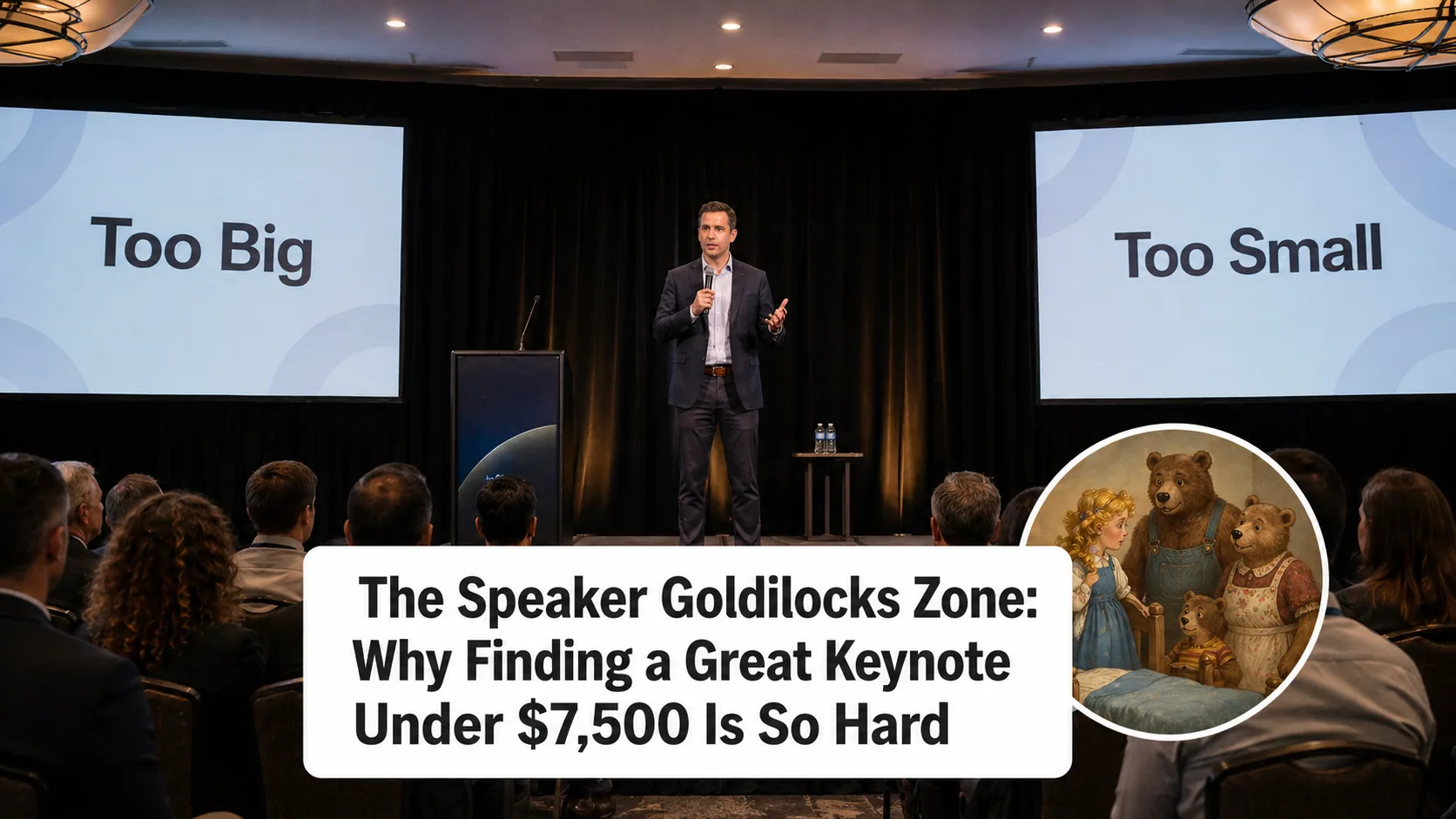
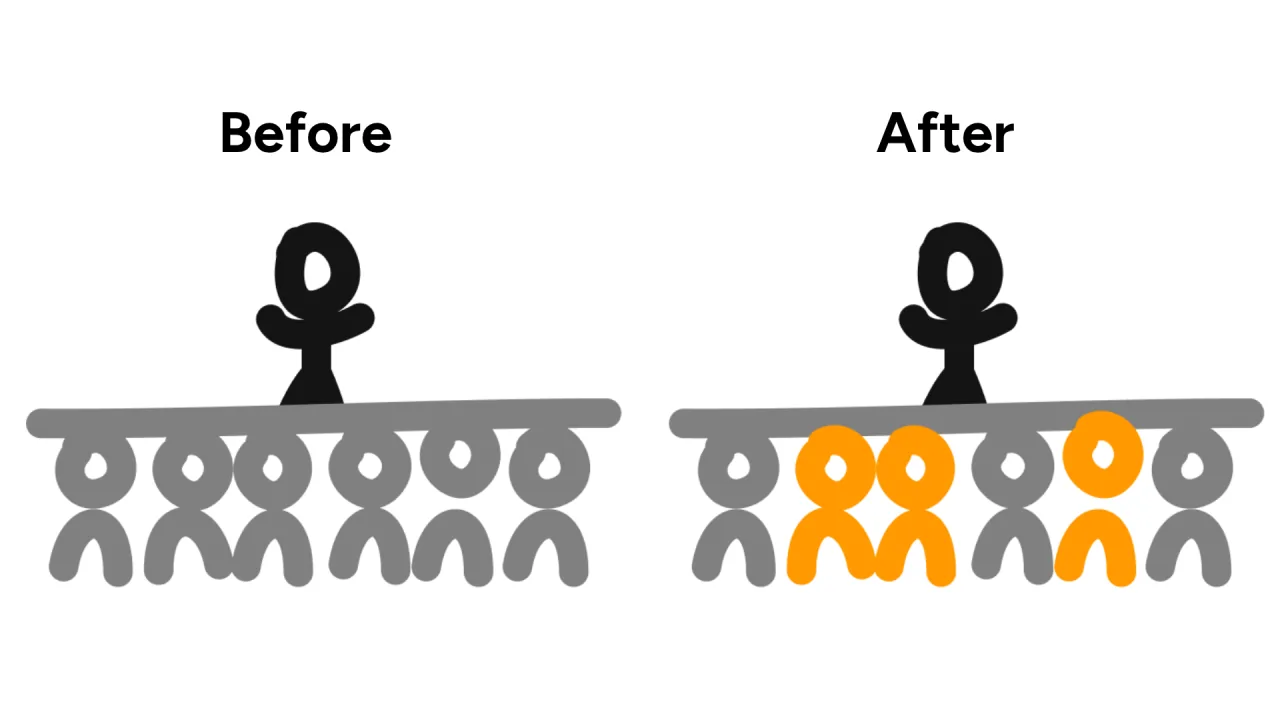
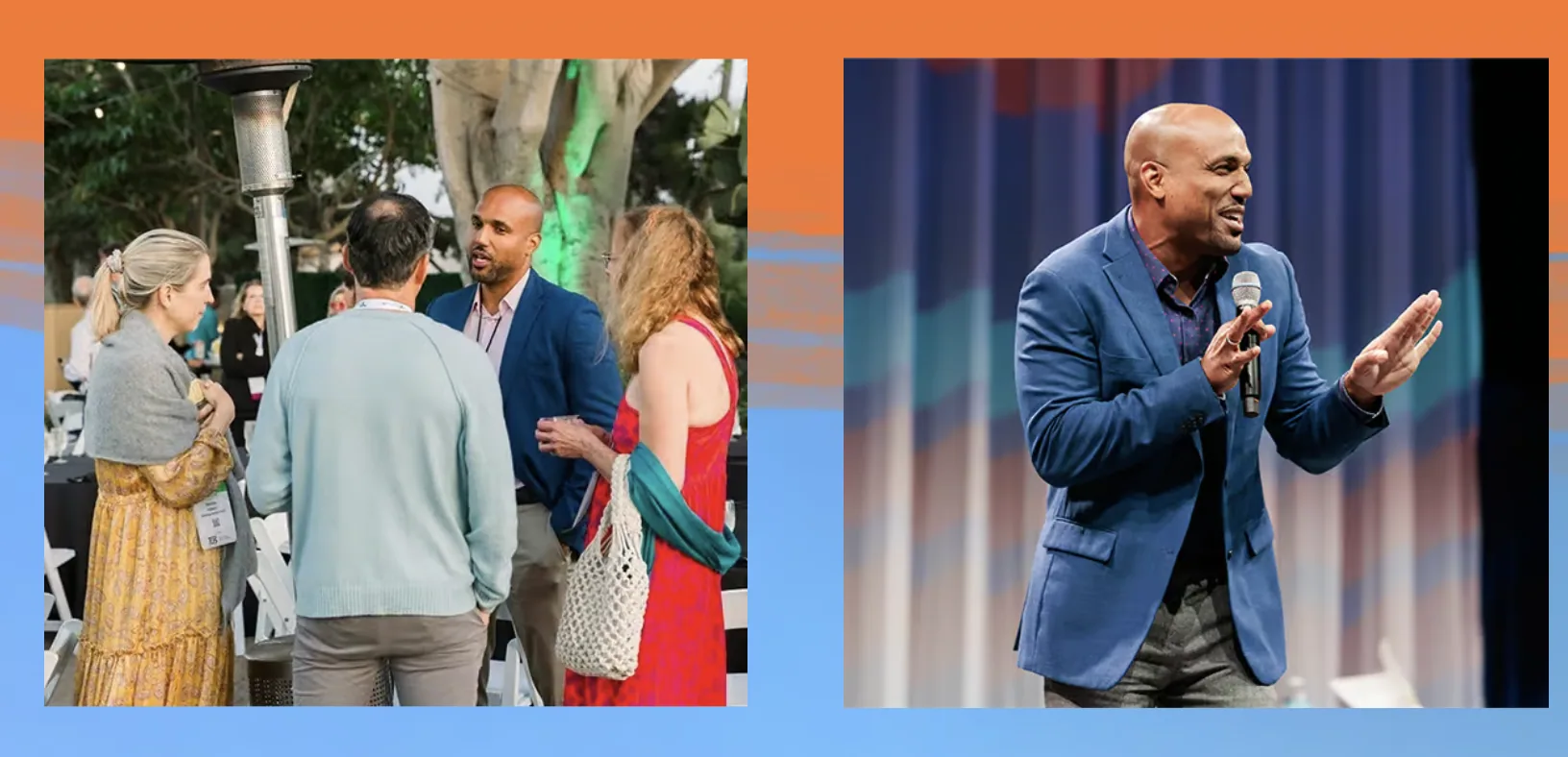
Learn how to improve conference networking for attendees with practical strategies event planners can use to reduce awkwardness, create better connections, and create more memorable event experiences.
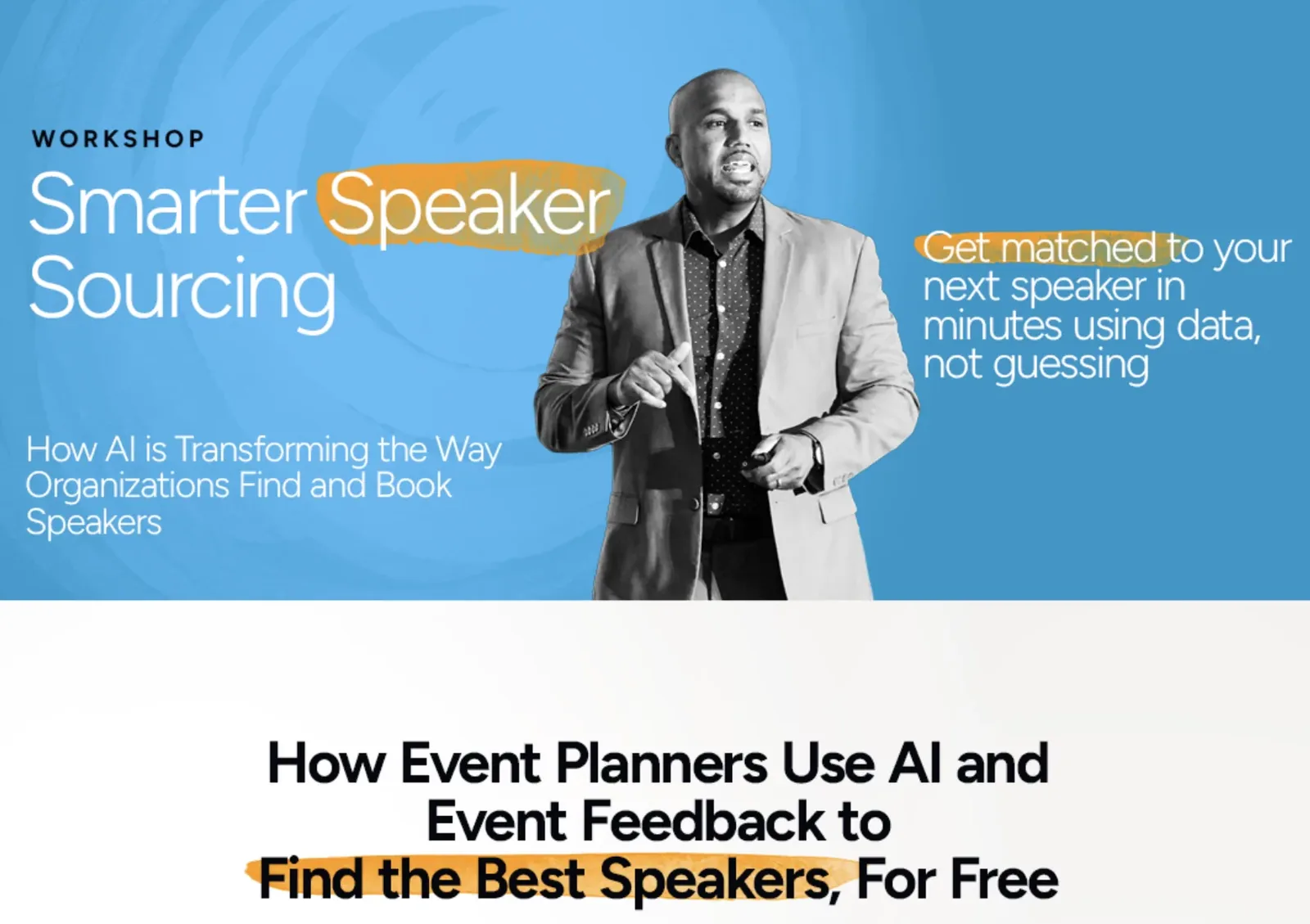
Event Planners can use Al and event feedback to find the best speakers.
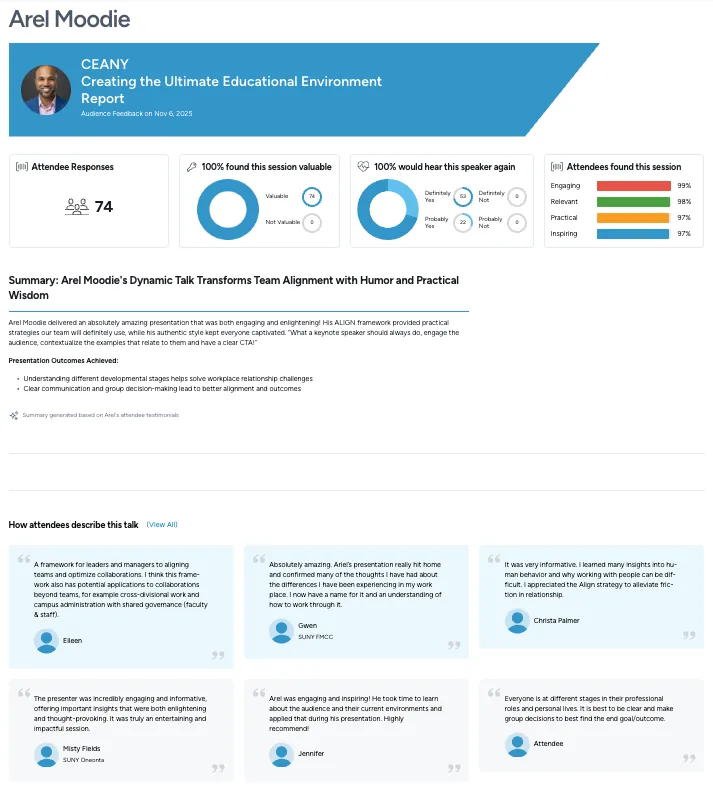
Simple, real-time feedback that benefits both speakers and event planners. Get effortlessly fresh insights into how your sessions land.

Something has quietly changed in the world of annual conferences. Most people can feel it. Very few have named it. And once you see it, a lot of what’s happening between conference organizers and speakers starts to make a lot more sense.
What attendees want to attend events in 2026
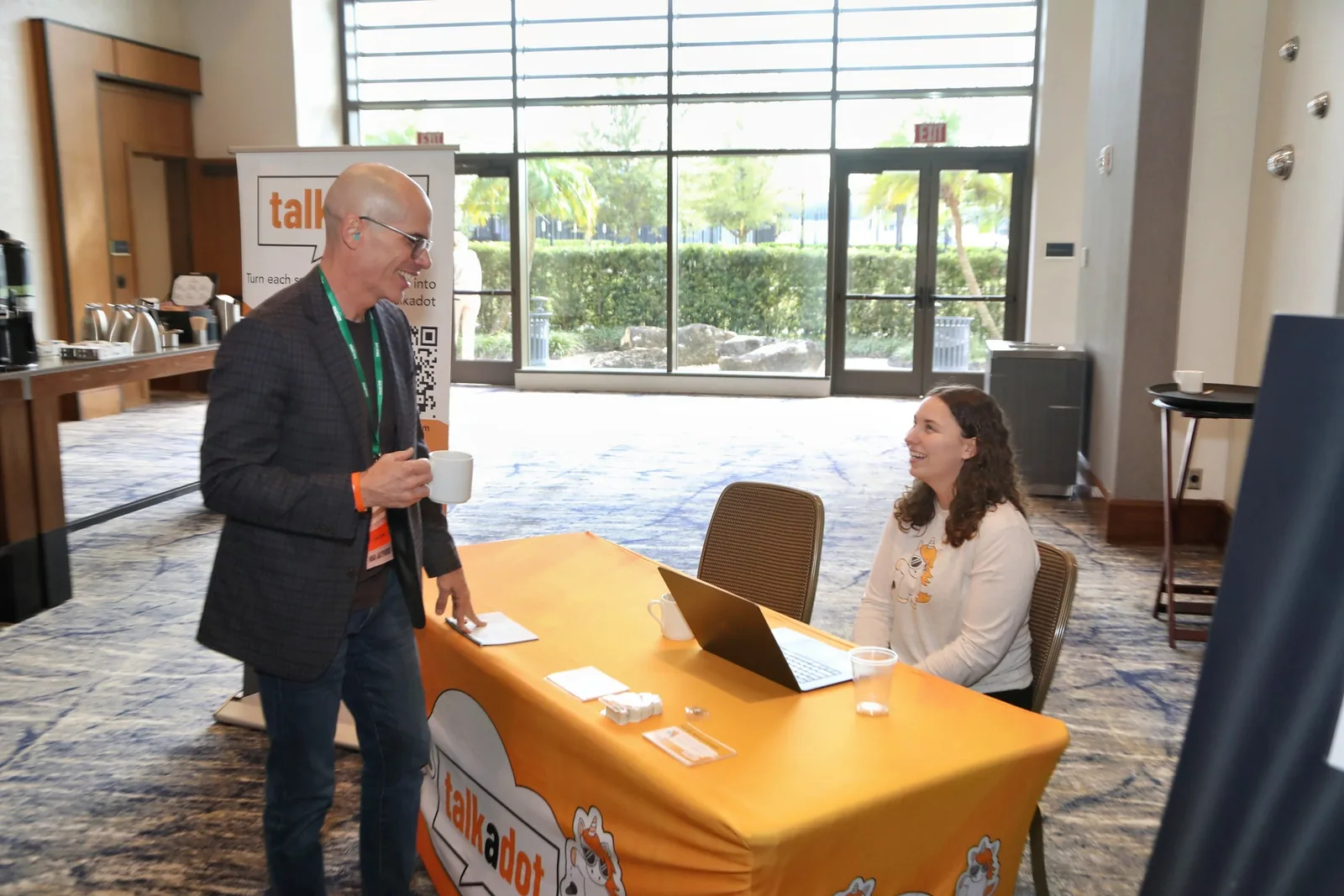
Talkadot partners with associations, groups, and organizations that share our mission to make the speaking industry more transparent and impactful. Our collaborations focus on helping speakers and event planners succeed through shared data, insights, and measurable outcomes.
Talkadot has partnered with event planner organizations, like MPI, SPIN, and Destination Michigan, to give planners an effortless way to book data-backed speakers with confidence. To partner with Talkadot, reach out to [email protected].