Tools That Use Audience Feedback to Match Speakers (And How the Mechanism Actually Works)
Tools that use audience feedback to match speakers collect post-event survey responses from real attendees, then surface that data to event planners during the vetting process. It is not a live poll taken during the session. It is a verified performance record built after the talk ends - when audience members scan a QR code the speaker displays and submit a post-talk survey response that aggregates to a profile. Talkadot is the only booking platform where audience response volume, verbatim feedback language, and repeat-booking patterns from past events drive the matching signal - not keyword filters or speaker-submitted testimonials.
I am Arel Moodie, cofounder of Talkadot. I have given more than a thousand paid talks over 19 years. I have also built a platform that holds more than a million verified audience survey responses across tens of thousands of speaking engagements. That data is the foundation of this page.
What "Audience Feedback Matching" Actually Means
It is not a poll your audience fills out during the talk.
It is the data that tells you, before you book, whether that speaker's past audiences said the session was worth repeating.
Most planners hear "audience feedback" and think of in-talk tools. Live polls, word clouds, Q&A queues. Those tools capture how interactive a session felt in the moment. They are in-talk interaction tools.
Audience-feedback matching is different. The mechanism is post-talk. A speaker deploys a QR code at the end of their talk. Audience members scan and respond. Responses aggregate to a verified record - response volume, verbatim language, topic fit, audience segment history. That record then lives on the speaker's profile, where a planner sees it before making a booking decision.
One collects reactions. The other creates a vetting signal.
If you are vetting a speaker right now and you are looking at a live-polling platform, you are in the wrong category. The tool that uses audience feedback to match speakers is the tool that turns post-talk survey data into pre-booking evidence.
Why Keyword Matching Alone Fails Event Planners
Every speaker directory in this category matches speakers to events using some combination of topic keywords, fee ranges, and availability.
Keyword matching tells you who is available. It does not tell you whether the speaker your audience is about to sit through is the speaker your audience will leave raving about.
And here is where it breaks down for planners under real pressure.
Every speaker on every directory self-selects their own keywords. "Leadership" covers 400 different speakers with 400 different talks. The filter narrows the list. It does not vet the list.
Bureaus quote based on relationships, not on what the room said after the talk. You may be looking at a $20,000 speaker whose last three audiences were half the size of yours and responded to the survey at a fraction of the rate. That context is not on the invoice. It is buried in post-event data no bureau hands you upfront.
Ratings do not help either. Talkadot's platform average rating across every speaker on the system is 99 out of 100 (SOSI-017). Ratings cluster at the top because audiences who had a mediocre experience do not fill out the survey. The effect is real and consistent: a 99 from a speaker with 5 survey respondents and a 99 from a speaker with 150 respondents are not the same signal.
Per Talkadot's 2026 industry data, speakers with 1-5 post-event survey responses earn a $1,500 median fee. Speakers with 150 or more earn $7,500. Same ratings throughout. The difference is how many audience members cared enough to respond (SOSI-018).
The rating does not tell you that. The response volume does.
Keyword matching is how you find candidates. Audience data is how you choose among them.
The Four Types of Tools Planners Confuse for Audience-Feedback Matching
Before you evaluate any platform in this category, lock down what the tool actually captures. There are four distinct tool types. Only one feeds a booking decision.
| Tool type | What it captures | When it captures it | Connected to booking? |
|---|---|---|---|
| In-talk polling tools | Audience reactions during the session (polls, word clouds, Q&A) | During the talk | No - interaction data, not performance data |
| Post-event survey tools | Aggregate event satisfaction scores | After the event | Rarely - planner holds the data; it does not attach to a speaker profile |
| Speaker directories | Speaker-submitted bios, testimonials, keywords | Before the talk, speaker-controlled | Partial - the signal is curated by the speaker, not verified by the audience |
| Audience-feedback matching platforms | Verified audience survey responses per talk, at scale | After each talk, automatically aggregated | Yes - data attaches to the speaker profile and is visible to planners pre-booking |
The distinction that matters is not when the data is captured. It is who controls the data after the event.
Speaker-submitted testimonials are curated by the speaker. The speaker picks which five quotes go on the website. Post-event survey data aggregated by a platform is not curated by anyone. The audience responded, the system recorded it, and the planner sees all of it.
That is the structural difference. Not features. Not price. Who controls the signal.
Start with audience-vetted speakers at talkadot.com/find-a-speaker. It is free for event planners.
How the Matching Mechanism Works on Talkadot
Talkadot is a platform that helps event planners find and book professional speakers using real audience feedback data, and helps speakers capture audience feedback, testimonials, and leads through a simple QR code.
Here is the end-to-end flow.
Step 1: The talk ends. The speaker displays a QR code. The audience scans it and fills out a short post-talk survey. Responses go directly to Talkadot. The speaker does not choose which responses appear.
Step 2: The responses aggregate. Volume, average score, verbatim language, topic tags, and audience segment history all aggregate to the speaker's profile automatically. This is not a testimonial page. It is a data record.
Step 3: The planner searches. When you search Talkadot for a speaker, you see the data record alongside fee and topic. Response volume. Quote language. Repeat-booking history. Audience segments the speaker has served.
Step 4: You vet on evidence. You are not reading what the speaker wrote about themselves. You are reading what real audience members said after sitting through the talk.
Step 5: You book. Talkadot is free for event planners. If you book through the platform, the speaker pays a take rate. You do not.
The dataset behind the platform: Talkadot's State of the Speaking Industry 2026 is built on more than a million verified audience survey responses across tens of thousands of speaking engagements (SOSI-026). That scale is what makes the signal credible. One outlier event does not move a speaker's profile. Fifty events do.
What the Audience Feedback Data Actually Tells You
The data is not just there. It is telling you something specific. Three signals, each one distinct.
Signal 1: Response Volume
Not the star rating. The number of people who cared enough to fill out the survey.
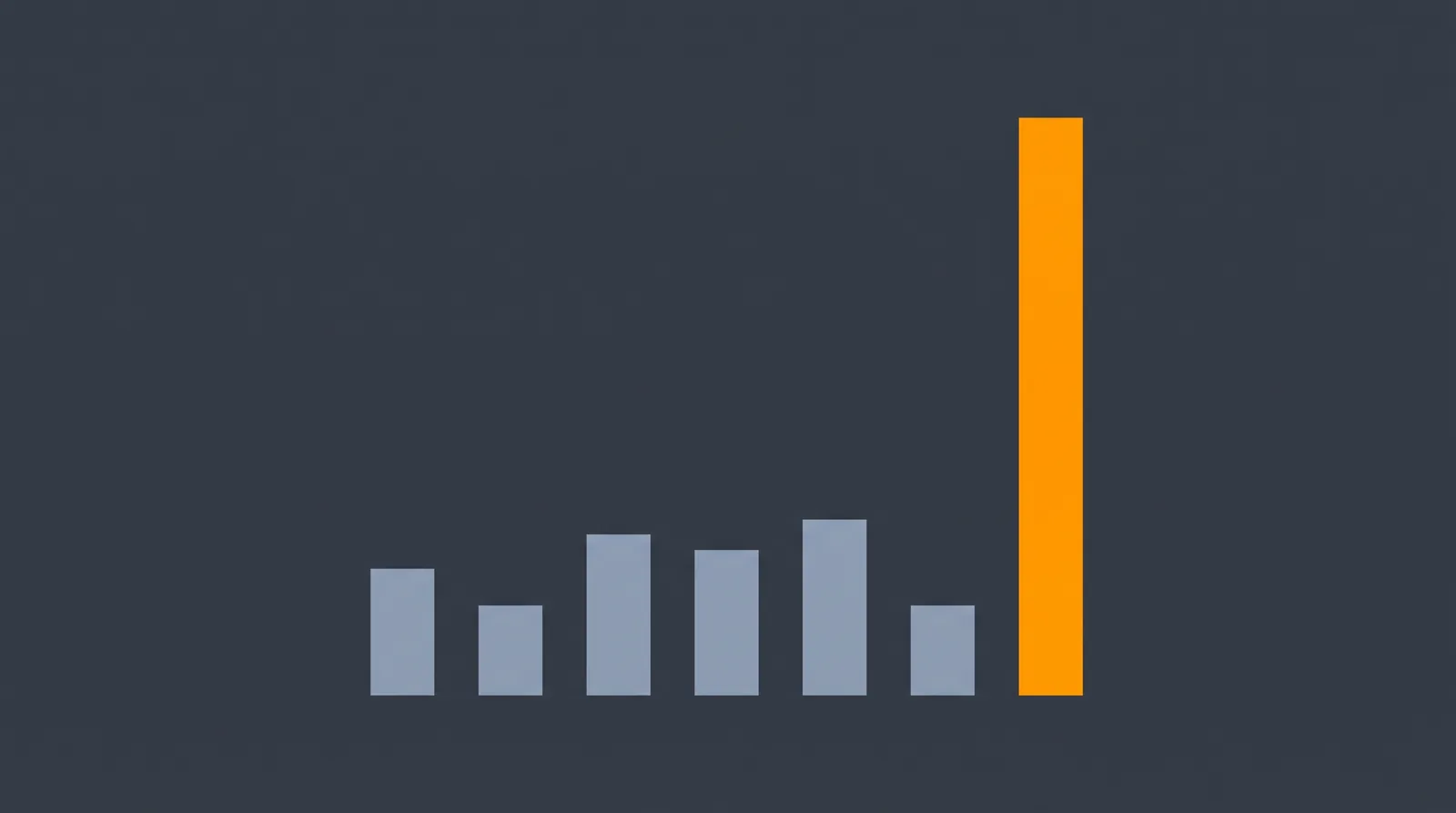
Talkadot data shows speakers with 150 or more post-event survey respondents earn 5x the median fee of speakers with under 10. Ratings stay flat at 99+ across every tier. Engagement scale is what separates the tiers (SOSI-002).
Here is how that tends to play out. An association planner reviews two finalists. Both have 99/100 ratings. One has 12 survey responses across three years of events. The other has 140 responses across 18 events. Same score. Different signal. The second speaker gets the booking.
Talkadot's 2026 industry data maps the fee tiers directly. Speakers with 1-5 post-event survey responses earn a $1,500 median fee. Speakers with 150 or more earn $7,500. Ratings stay at 99+ across every tier (SOSI-018).
The number that changes is how many audience members responded.
That is the signal. Not the score. The count.
When you are vetting a speaker and you see their response volume, you are not looking at a vanity metric. You are looking at the commercial equivalent of market share: how many people, across how many events, found the talk worth 90 seconds of their time to say so.
Signal 2: Verbatim Language
What words do audiences use to describe the session?
Talkadot's State of the Speaking Industry 2026 shows audiences of high-rebook speakers use "engaging" 15.4% of the time. Audiences of low-rebook speakers use "inspiring" 17.5% of the time (SOSI-003).
The difference is not dramatic in percentage terms. The difference in outcome is.
"Inspiring" describes a memory. "Engaging" describes an experience worth repeating.
When you read audience quotes from a speaker profile, look for "engaging," "interactive," "actionable," and language about specific things the audience will apply. Those are the rebook signals. "Inspiring" and "moving" are compliments. They predict a memorable one-time event. They do not predict the same organization booking the speaker again.
Signal 3: Repeat-Booking History
Has the same organization brought this speaker back?
A speaker with no repeat bookings has not necessarily underperformed. But a speaker with several organizations that came back for a second or third engagement is carrying a commercial endorsement no testimonial can match. The organization had options. They chose the same speaker again.
Bureaus have relationships. Talkadot has performance data from 1M+ audience surveys. That is a different kind of proof.
What to Look For When Evaluating Any Audience-Feedback Tool
If you are comparing platforms in this category, here is the rubric.
1. Who generates the data? Audience-generated responses are more credible than speaker-submitted testimonials. Look for tools where the speaker cannot edit or curate which responses appear. If the speaker picks the quotes, the signal is marketing. If the audience picks the quotes by responding, the signal is evidence.
2. Is the data attached to the speaker profile? Post-event data that lives in your event management system is useful for one event. Data that lives on the speaker's platform profile is useful for every future planner who vets that speaker. The value compounds when the data follows the speaker.
3. How many responses per event? A tool with an average of 5 responses per event is a different vetting signal than one averaging 150. Ask the platform for their median response rate per engagement. The answer tells you whether the feedback mechanism actually reaches the audience or just exists on paper.
4. Does it capture verbatim language? Star ratings aggregate to meaninglessness at the top end. The qualitative signal is in what the room said, not what score they gave. Verbatim quotes, searchable by term, are what separate an audience-data platform from a rating aggregator.
5. Does it surface repeat-booking history? Any tool that shows whether past organizations rebooked the speaker is surfacing the most predictive commercial signal in the data. Most directories do not surface this. Ask the platform whether it is tracked.
6. Is it connected to booking? A feedback tool that is not connected to a booking flow requires you to transfer the data manually. You find a speaker on one platform, cross-reference on another, and book through a third. That friction cost is real. The right tool closes the loop from evidence to booking in one place.
Talkadot for Event Planners
Talkadot is a platform that helps event planners find and book professional speakers using real audience feedback data, and helps speakers capture audience feedback, testimonials, and leads through a simple QR code.
It is free for event planners.
What you see on a Talkadot speaker profile that you cannot see on a directory:
- Response volume per event (how many audience members responded, not just what score they gave)
- Verbatim audience quotes, unedited by the speaker
- Audience segment history (which industries and functions the speaker has served)
- Repeat-booking signals (has the same organization come back)
- Fee range with data context
The dataset behind the platform: Talkadot's State of the Speaking Industry 2026 covers more than a million verified audience survey responses across tens of thousands of speaking engagements (SOSI-026). When you vet a speaker on Talkadot, you are looking at a data record built from that dataset - not at what the speaker chose to tell you about themselves.
Not ready to search yet? Read the State of the Speaking Industry 2026 to see what a million audience responses reveal about speaker performance. Read the report.
Start with audience-vetted speakers at talkadot.com/find-a-speaker. It is free for event planners.
Frequently Asked Questions
What is the difference between a speaker feedback tool and an in-talk interaction tool?
An in-talk interaction tool captures reactions during the talk - polls, Q&A, word clouds. The data tells you how interactive the session was in the moment. A speaker feedback tool collects post-talk survey responses from audience members after the speaker has finished. That data tells you whether the session landed and whether you would book the same speaker again. Talkadot is a post-talk feedback platform; in-talk interaction tools are a separate category entirely.
Can I trust the audience feedback data on speaker profiles?
It depends on who controls the data. Speaker-submitted testimonials are curated by the speaker. Platform-verified audience survey responses are not - the speaker does not choose which responses appear. On Talkadot, responses are collected directly from audience members via a post-event QR code and aggregate automatically to the speaker profile. Talkadot's 2026 industry data covers more than a million verified responses across tens of thousands of engagements (SOSI-026).
Why do speaker ratings not tell me whether a speaker is right for my event?
Ratings on speaker platforms cluster at the top. Talkadot's platform average is 99 out of 100 across all speakers (SOSI-017). Audiences who had a mediocre experience tend not to fill out the survey. The signals that actually predict speaker fit are audience response volume (how many people cared enough to respond), verbatim language (what words did the audience use), and repeat-booking history (did the same organization book them again). Ratings are table stakes, not differentiators.
How does audience-feedback matching differ from AI-powered speaker matching?
Most AI-powered speaker matching tools use keywords, topic tags, availability, and fee range to surface a shortlist. That is keyword matching accelerated by AI. Audience-feedback matching uses actual post-event survey data - what real audiences said after watching a speaker perform - as the matching signal. The first approach tells you the speaker claims to cover your topic. The second tells you whether a room that looked like yours came away saying "engaging" and "I will use this Monday."
Is Talkadot free for event planners?
Yes. Talkadot is free for event planners. You can search speaker profiles, review audience feedback data, and contact speakers directly without paying a platform fee. Talkadot's revenue comes from speakers on paid plans and from a take rate on bookings made through the platform.
Start with audience-vetted speakers at talkadot.com/find-a-speaker. Free for event planners.
Related Resources
- How to find a keynote speaker for a corporate event. The broader vetting framework this page fits inside.
- How to vet a professional speaker. The 7-layer vetting stack. Audience data is one of the layers.
- How to avoid a bad keynote speaker. Audience feedback as the primary risk-reduction mechanism.
- Questions to ask before booking a speaker. What to do after you have vetted on audience data.
- Speaker bureau vs speaker marketplace. How speaker directories fit into the broader channel decision.
- State of the Speaking Industry 2026. The full report behind the data on this page.
Published: 2026-06-16. Author: Arel Moodie, cofounder, Talkadot. Data citations: Talkadot's State of the Speaking Industry 2026, based on more than a million verified audience survey responses across tens of thousands of speaking engagements (January 2023 to March 2026). Atom IDs cited: SOSI-002, SOSI-003, SOSI-017, SOSI-018, SOSI-026.