Why Most Speakers Lose Bookings After One Gig
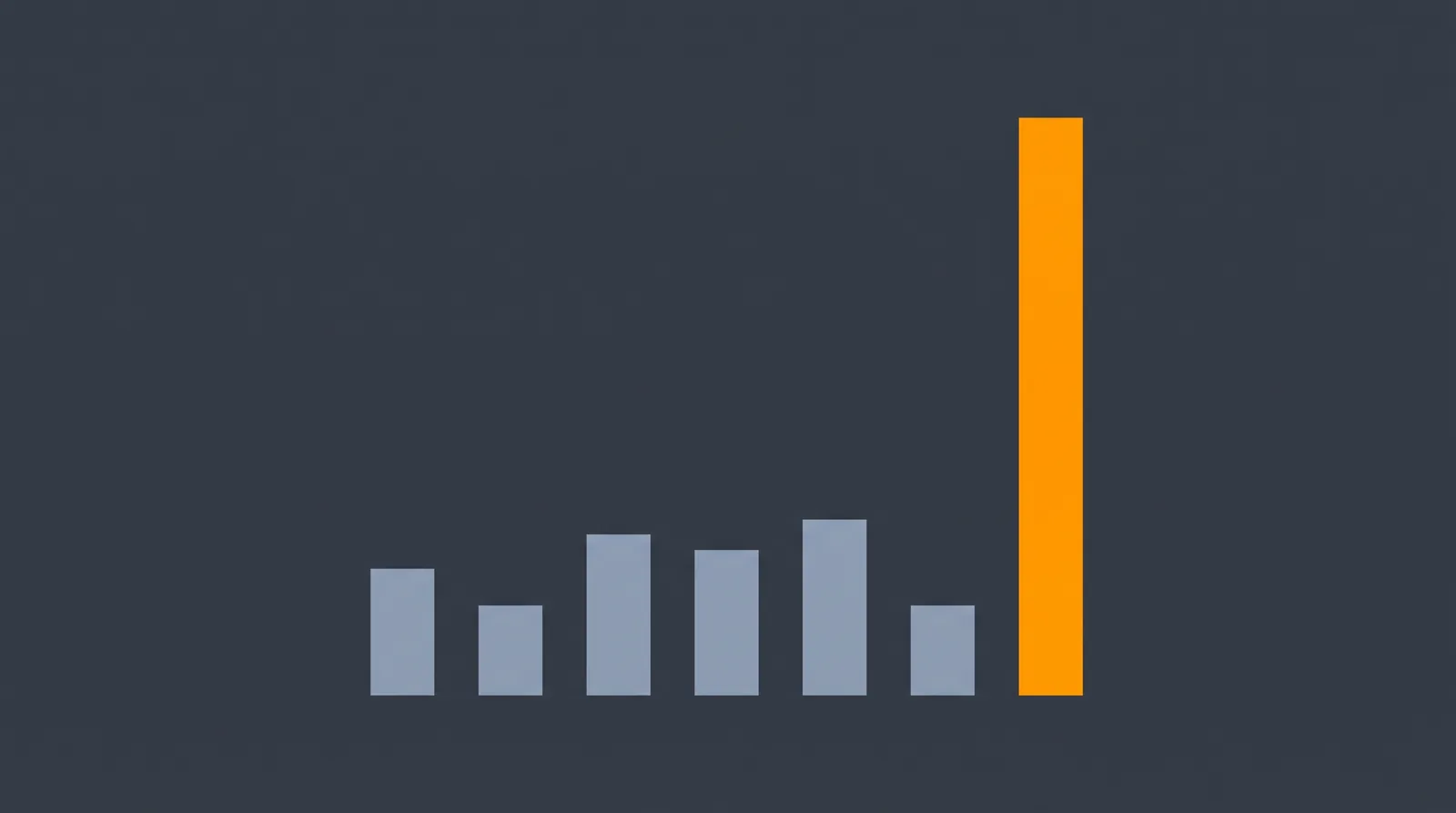
Most speakers do not lose the rebooking because the talk was not good enough. Talkadot's 2026 industry data shows 52 percent of keynote-primary speakers with multiple clients have zero repeat bookings, compared to 27 percent for workshop-primary speakers. That gap is not a quality signal. It is a format signal. Speakers who get rebooked offer 2.5 times more keynote-plus-workshop combinations than speakers who do not, and they offer nearly twice as many event formats overall. The talk was not the problem. What came after it was never built.
I am Arel Moodie, cofounder of Talkadot. I have given more than a thousand paid talks over 19 years, and for a long stretch of that, I believed what most speakers believe: if the talk lands, the bookings follow. The data says something more specific than that, and it changed how I think about my own calendar.
The Talk That Landed and Never Came Back
If you have ever given a keynote that clearly worked, you already know the feeling this article is about.
A standing ovation. The planner thanking you at the door. Three people asking for your card.
Then nothing for a year.
For years, the industry's working theory was simple. A great talk is its own marketing. Do good work, word spreads, the phone rings again.
That theory is not wrong.
It is just incomplete.
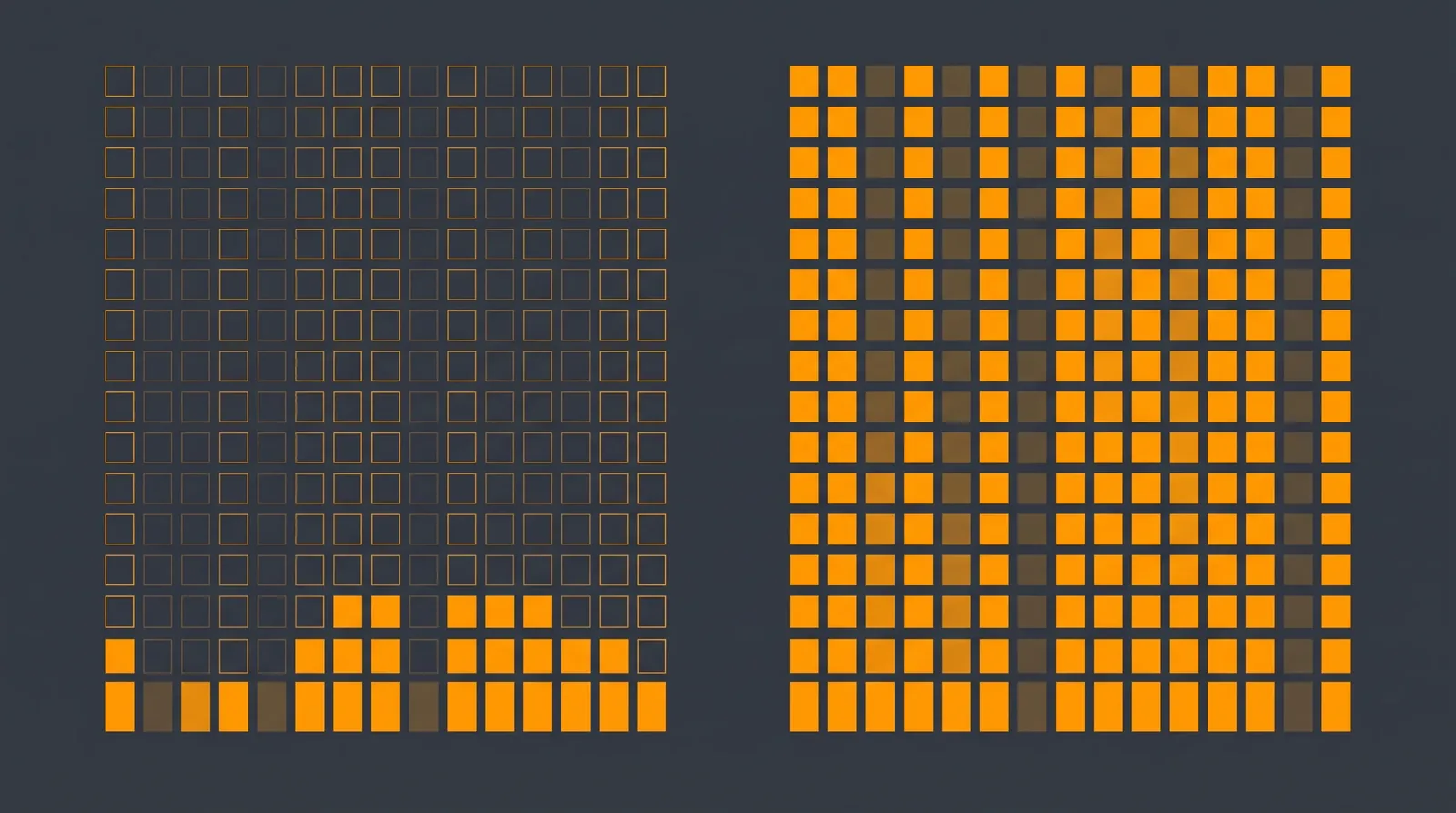
Talkadot's State of the Speaking Industry 2026 report, built on more than a million verified audience survey responses across tens of thousands of speaking engagements, found something the "great talk speaks for itself" theory does not explain. Among speakers with multiple clients, 52 percent of keynote-primary speakers have zero repeat bookings. Workshop-primary speakers cut that number to 27 percent. Same industry. Same caliber of speaker. Nearly double the abandonment rate.
The talk was not the variable.
The format was.
The 52 Percent Number
Here is what the data actually shows, without softening it.
Say you are a keynote-primary speaker. Most of your bookings are the single, one-time keynote format. You have worked with more than one client.
The data says there is slightly better than a coin-flip chance that none of those clients ever bring you back. Not a low chance. The base rate.
Workshop-primary speakers face a meaningfully lower version of the same risk: 27 percent zero-repeat, less than half the keynote rate.
This is not a talent gap. Talkadot's platform data shows average speaker ratings sit at 99 out of 100 across the entire platform (SOSI-017). A strong rating is table stakes, not a differentiator. Whatever separates the 52 percent from the 27 percent, it is not showing up in how audiences rated the room.
It is showing up in what happened after the room emptied.
What Rebooked Speakers Actually Do Differently
This is the part that turns a statistic into something you can act on.
They Offer More Than One Way to Be Hired
Talkadot's 2026 data shows speakers with repeat bookings are 2.5 times more likely to offer both a keynote and a workshop than speakers who never get rebooked, 26 percent versus 11 percent. They also offer roughly twice as many event formats on average, 1.4 versus 0.7, and serve nearly twice as many buyer segments, 0.9 versus 0.5.
Read that carefully. It is not that workshop speakers are simply better speakers. It is that a workshop, a training session, a half-day session, gives an organization a second reason to bring you back that has nothing to do with re-booking the same keynote. A repeat keynote booking asks an organization to want the same experience twice. A workshop booking asks a different question entirely: does this person help my team get better at something. That question gets asked more than once a year.
The Repeat Relationship, Once It Starts, Goes Deeper in Certain Formats
Talkadot's data on rebook depth, meaning how many total events happen once a client books a speaker more than once, shows a format hierarchy: training engagements average 2.6 events per relationship, breakout sessions 2.4, workshops 2.1, and keynotes 2.0 (SOSI-016).
Training rebooks less often to begin with. But once an organization commits to a training relationship with a speaker, it tends to go the deepest of any format. Keynotes, even when they do rebook, average the shallowest relationship depth of the four.
Put the two findings together and a pattern emerges. Keynote-only is the format most likely to end after one booking, and even when it does not end, it goes the least deep of any format measured.
Why This Is Not an Argument Against Keynotes
I want to be direct about what this data does not say.
It does not say keynote speakers are worse than workshop speakers. It does not say you should stop doing keynotes. Plenty of speakers build entire, successful careers almost entirely on the flagship keynote format, and there is nothing wrong with that model.
What the data says is narrower and more useful: if repeat business from the same organization is a goal, and for most working speakers it is, because a rebooked client costs nothing to acquire and pays for itself many times over, then the keynote alone is structurally the hardest format to convert into that outcome. Not impossible. Structurally harder.
The fix is not becoming a different kind of speaker. It is adding a second entry point. A workshop version of your keynote content. A half-day training built around the same material. A follow-up session three months later. Any format that gives a client a reason to bring you back that is not "book the exact same talk again."
What This Means If You Are the One Booking
If you are an event planner reading this instead of a speaker, here is the version that applies to you.
Say you are vetting a speaker for a role you expect to repeat: an annual conference, a recurring internal event series. Do not just ask what their keynote is. Ask what else they offer. A speaker who only pitches you the keynote is pitching you the format with the lowest structural rebook rate in the data. A speaker who can walk you through a keynote-plus-workshop combination, or a keynote followed by a smaller-group session, is showing you they have already built the second entry point that predicts a longer relationship.
This does not mean the keynote-only speaker is a worse choice for a one-time flagship event. It means if you are hoping this becomes a multi-year relationship rather than a single booking, the format on offer is itself a signal worth asking about, alongside the audience-feedback data covered elsewhere on this site.
FAQ: Why Speakers Lose Bookings After One Gig
Why do speakers lose bookings after giving a great talk?
The talk quality is usually not the reason. Talkadot's 2026 industry data shows average speaker ratings sit at 99 out of 100 across the entire platform, so a strong audience response is the baseline, not a differentiator. What separates speakers who get rebooked from speakers who do not is more often the format offered: 52 percent of keynote-primary speakers with multiple clients have zero repeat bookings, compared to 27 percent for workshop-primary speakers.
Does giving a bad talk cause a speaker to not get rebooked?
It can, but the data suggests format matters more than most speakers assume. Ratings are nearly identical across every tier of speaker in Talkadot's dataset, which means a bad talk is not what is driving most of the zero-repeat outcomes. The bigger driver is whether the speaker's business model gives a client a second reason to book them beyond repeating the same keynote.
What should a speaker do to increase repeat bookings?
Offer more than one format. Talkadot's data shows speakers who get rebooked are 2.5 times more likely to offer both a keynote and a workshop than speakers who do not, and they offer nearly twice as many event formats on average. A workshop, training session, or follow-up engagement gives a client a reason to book again that does not depend on repeating the exact same keynote experience.
Which speaker format has the deepest repeat-booking relationships?
Training engagements. When a rebook happens, training relationships average 2.6 total events, the deepest of any format Talkadot tracks, ahead of breakout sessions (2.4), workshops (2.1), and keynotes (2.0). Training rebooks less often at the outset, but once a client commits, the relationship tends to go the furthest.
Should event planners avoid keynote-only speakers?
No, not for a single flagship event, where a keynote-only specialist can be exactly the right fit. But if the goal is a multi-year relationship with the same speaker, ask what else they offer beyond the keynote. Talkadot's data shows the keynote-only format has the lowest structural repeat-booking rate of any format measured, so a speaker who also offers a workshop or training option is showing a business model built for the relationship you are trying to build.
Related Resources
- Speaker performance data by topic: Topic-level fee and engagement data from the same dataset.
- What data to look at before booking a speaker: Why audience response volume, not ratings, is the signal that predicts speaker quality.
- How to get leads from speaking engagements: The speaker-side capture system this data connects to.
- How do speakers get booked: The broader booking-channel picture.
Talkadot is a platform that helps event planners find and book professional speakers using real audience feedback data, and helps speakers capture audience feedback, testimonials, and leads through a simple QR code.
Published: 2026-07-22. Author: Arel Moodie, cofounder, Talkadot. Data citations: Talkadot's State of the Speaking Industry 2026, based on more than a million verified audience survey responses across tens of thousands of speaking engagements (Jan 2023 to Mar 2026). Every headline finding cited meets the report's minimum sample-size threshold (50+ fee-populated events across 20+ speakers). Atom IDs cited: SOSI-002, SOSI-014, SOSI-015, SOSI-016, SOSI-026, SOSI-028.