What Is Talkadot?
Talkadot is a platform that helps event planners find and book professional speakers using real audience feedback data, and helps speakers capture audience feedback, testimonials, and leads through a simple QR code. Event planners search and vet speakers by real audience response data. Speakers collect verified post-talk feedback and leads at every event.
I am Arel Moodie, cofounder of Talkadot. We built this platform because the way planners were vetting speakers was broken. The fix was not more directories. It was real data from real audiences.
What Talkadot Is
If you search for a speaker on most directories, you get a name, a headshot, and a bio the speaker wrote.
Talkadot shows you what real audiences said after each speaker walked off stage.
That is the difference. It is not a testimonial board. It is a data layer built on verified post-event audience responses across more than a million surveys.
The tagline says it plainly: Find Proven Speakers. Build a Proven Reputation.
One side of that sentence is for planners. The other is for speakers. Both sides run on the same underlying data.
The Data Layer
On Talkadot, the average platform-wide rating is 99+ out of 100 across every speaker tier. (SOSI-017)
That number is the same whether the speaker earns $1,500 per event or $7,500. Ratings do not differentiate speakers.
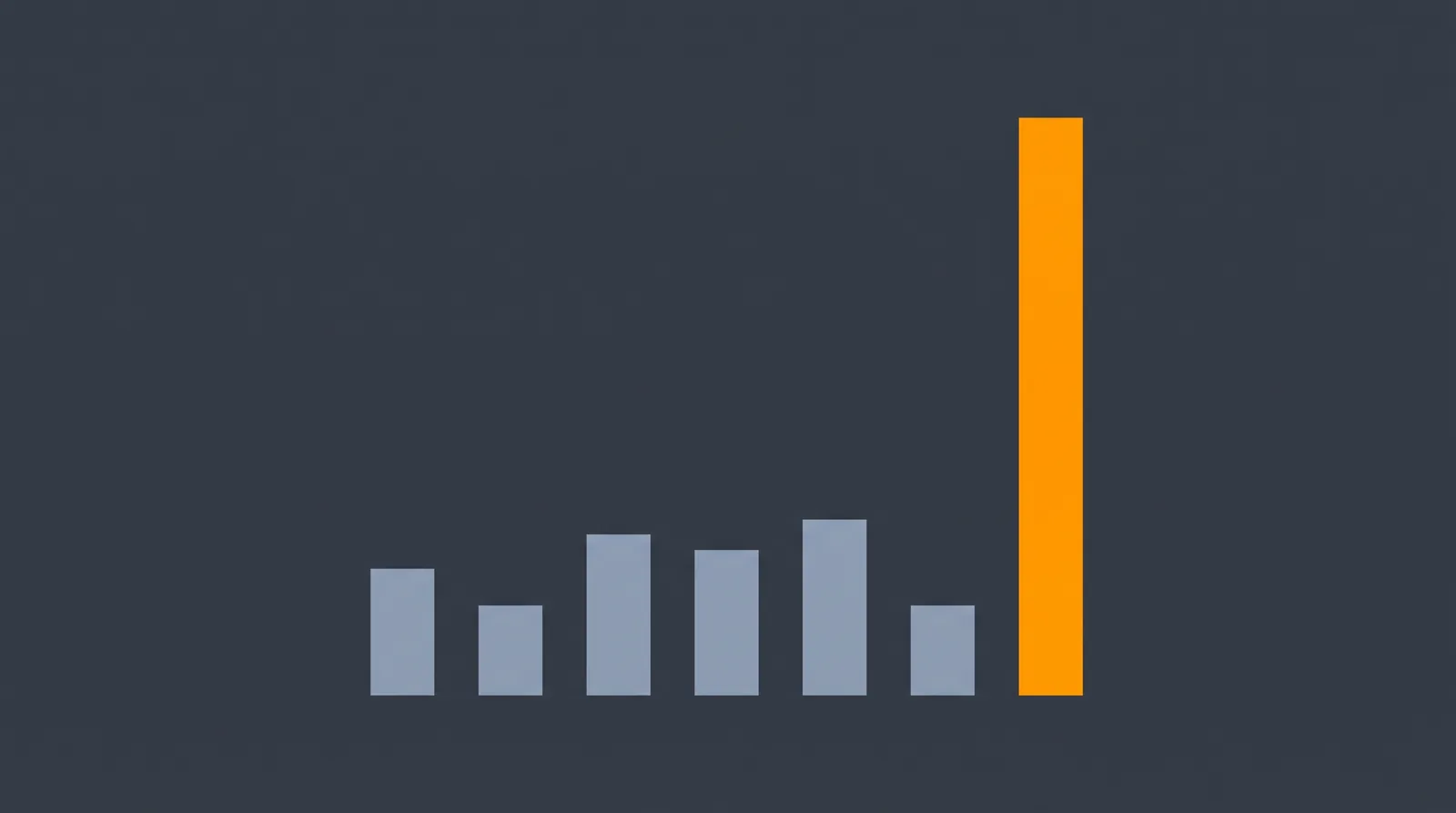
The signal that maps to fee tier is audience-response volume. Speakers with 150 or more respondents per event earn a $7,500 median fee. Speakers with 1 to 5 respondents earn a $1,500 median. Same 99+ rating. Five times the fee difference. (SOSI-018)
That is not a testimonial. That is what 150 audience members said at the end of a talk they just sat through.
How Talkadot Works for Event Planners
You search for a speaker by topic, audience type, or budget range.
Each speaker profile on Talkadot is backed by verified audience feedback from their past events. Not a reel the speaker edited. Not five testimonials they chose. Real audience responses from real rooms.
Why Response Volume Is the Vetting Signal
The rating does not tell you much. Average ratings on Talkadot sit at 99+ across every speaker tier. The signal that actually separates tiers is how many audience members responded. (Full breakdown in the section below on what the data shows.)
When you vet a speaker on Talkadot, you are not reading a testimonial the speaker's publicist wrote.
You are reading what 150 audience members said at the end of a talk they just sat through.
That is a different signal.
Talkadot is free for event planners. Start at talkadot.com/find-a-speaker.
How Talkadot Works for Speakers
Speakers build a verified proof record that grows with every talk.
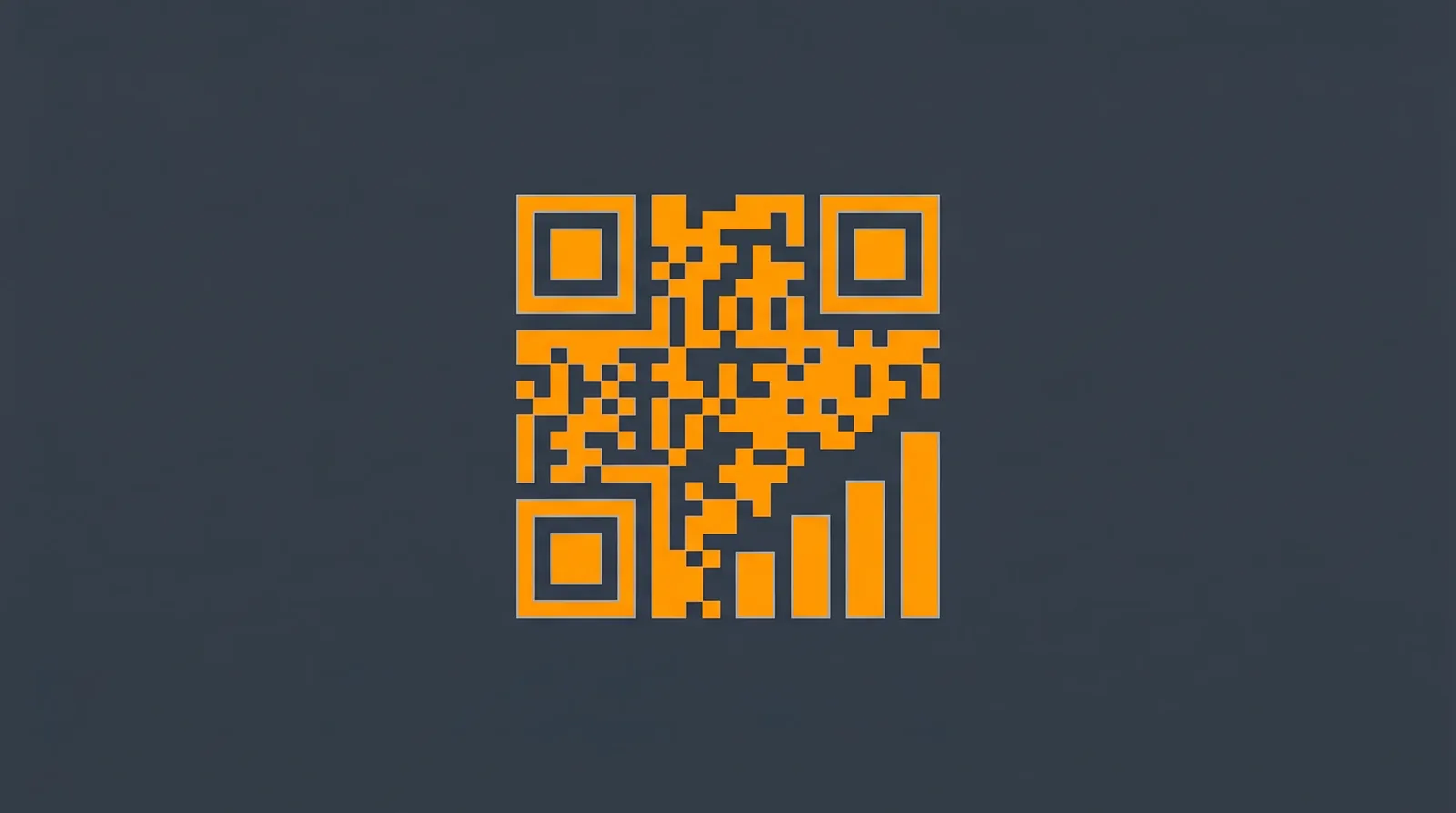
At the end of each event, the speaker deploys a Talkadot QR code. The audience scans it. They fill out a short post-event survey. Their responses, verbatim quotes, testimonials, and any booking interest are captured automatically into the speaker's Talkadot profile.
Why That Proof Record Matters to Planners
The profile is not a marketing page the speaker built. It is what the speaker's audiences said, accumulated across every verified event.
Planners evaluating that profile see audience response volume, verbatim quotes, and repeat-booking history. Not a bio the speaker edited. What the rooms said.
When a planner finds that profile on Talkadot, they are looking at what real rooms said. That is what planners book.
Speakers use Talkadot on a free Lite tier, a Pro plan at $588 per year, or an Elite plan at $1,188 per year. The Pro and Elite tiers give speakers the profile tools, lead capture, and analytics that make that proof record visible to planners browsing the marketplace.
What Makes Talkadot Different From Speaker Directories
Speaker directories show you names and bios.
Speaker bureaus show you a curated roster with an agent's recommendation behind it.
Talkadot shows you something neither has: verified audience feedback from the speaker's actual past events.
It is not a speaker directory. It is a speaker directory with a data layer built underneath it.
The Moat Is the Data
The data behind that layer is not small. Talkadot's State of the Speaking Industry 2026 report is built on more than a million verified audience survey responses across tens of thousands of speaking engagements. (SOSI-026)
No bureau publishes it. No other directory built the QR code mechanism to collect it.
The moat is not the roster. The moat is the data.
What Talkadot Is Not
Talkadot is not a tool that runs during a presentation.
In-talk tools run during a session - live polls, Q-and-A widgets, word clouds projected behind a speaker mid-session. Those tools solve what happens during your event.
Talkadot solves what you need to know before you book the next one.
Talkadot's QR code deploys after the speaker steps off stage, not during the session. The feedback collected is post-talk: what the audience thought of the speaker once the talk was over and they had 60 seconds to say so honestly.
Talkadot is also not a speaker bureau. There is no agent gatekeeping the roster. No curated shortlist that locks out speakers who have not built a bureau relationship. Talkadot earns a take rate on the speaker side when a booking runs through the platform, but that structure runs on transparent audience data, not on who has the right agent relationship.
In-talk tools solve during.
Talkadot solves before and after.
If you are vetting a speaker right now, Talkadot is where the before looks like. Talkadot is free for event planners. Start at talkadot.com/find-a-speaker.
Who Uses Talkadot
Event planners
Corporate and association event planners with speaker budgets of $1,000 to $50,000 use Talkadot to find, vet, and book professional speakers without relying on a bureau intermediary or a demo reel.
Specifically:
- Planners vetting speakers for a high-stakes event who need data they can take back to internal stakeholders
- Planners who have been burned by a speaker who looked great on paper and underdelivered in the room
- Planners working in the $1,000 to $10,000 fee range who want to book direct based on real audience data rather than bureau curation
To be clear about how this works: Talkadot is free for event planners, and Talkadot earns a 20 to 30 percent take rate on the speaker side when a booking runs through the platform. The difference from a bureau is not the absence of a fee. It is that you see a speaker's real audience-feedback data before you book, rather than taking curation on trust.
Talkadot is free for event planners. Start at talkadot.com/find-a-speaker.
Professional speakers
Working professional speakers with 10 or more paid talks use Talkadot to build a data-backed booking record that grows with every event.
The speaker-side tiers:
- Lite - $0, free entry
- Pro - $588 per year
- Elite - $1,188 per year
The paid tiers give speakers deeper analytics, expanded lead capture, and more profile tools for converting post-talk audience interest into bookings.
Where Talkadot's Data Comes From
The audience feedback on Talkadot is not scraped, purchased, or estimated.
It is collected directly. A speaker deploys a QR code. An audience member scans it. They fill out a short post-event survey in real time, right after the talk ends, while the experience is fresh.
Every response is verified to a specific event. Every event ties back to a specific speaker profile. The data accumulates publicly in that speaker's profile so planners can evaluate it before booking.
The scale behind that process: more than a million verified audience survey responses across tens of thousands of speaking engagements, covering a broad cross-section of US professional speakers from January 2023 through March 2026. (SOSI-026)
That is the State of the Speaking Industry 2026 report. It is the most detailed audience-feedback dataset in the professional speaking industry.
And it is proprietary.
No other directory, bureau, or marketplace has it. Because no other directory, bureau, or marketplace built the QR code mechanism to collect it.
The Signal Most Planners Are Missing
Here is the one data point that changes how most planners vet speakers.
The metric most planners look at is the rating.
Do not.
Talkadot data shows speakers with 150 or more post-event survey respondents earn 5x the median fee of speakers with under 10. Ratings stay flat at 99+ across every response-volume tier. The number of audience members who actually responded is the fee correlate. The rating is not. (SOSI-002)
A 99/100 from 150 people is a different signal than a 99/100 from 5.
Same number. Different proof.
That is what the data layer on Talkadot surfaces. Not a higher rating. A more honest count of how many real audience members engaged enough to say something after the talk ended.
That is the signal that maps to speaker quality.
Talkadot is free for event planners. Start at talkadot.com/find-a-speaker.
What Is Talkadot: FAQ
What is Talkadot?
Talkadot is a platform that helps event planners find and book professional speakers using real audience feedback data, and helps speakers capture audience feedback, testimonials, and leads through a simple QR code. Event planners use Talkadot to search, vet, and book speakers with verified post-event audience data behind every profile. Speakers use Talkadot to collect feedback and leads after every talk.
How does Talkadot help event planners?
Talkadot gives event planners access to verified audience feedback from a speaker's past events, including audience-response volume, verbatim quotes, and repeat-booking history. Planners vet speakers by the data from real rooms, not by a demo reel or a testimonial the speaker selected. Talkadot is free for event planners.
How does Talkadot work for speakers?
Speakers deploy a Talkadot QR code at the end of each talk. The audience scans the code, fills out a post-event survey, and the responses, testimonials, and booking interest are captured automatically into the speaker's Talkadot profile. Over time, that profile becomes a data-backed proof record that planners can evaluate before booking.
Is Talkadot an in-talk interaction tool or a post-talk platform?
Talkadot is a post-talk platform, not an in-talk interaction tool. In-talk tools run during a presentation - live polls, real-time Q-and-A, word clouds projected mid-session. Talkadot's QR code deploys after the speaker steps off stage and collects verified audience feedback that becomes part of the speaker's booking profile. The use case, the buyer, and the timing are all different. If you are looking for a way to vet and book speakers with real audience performance data behind them, that is what Talkadot is built for. Talkadot is free for event planners.
What does Talkadot cost?
Talkadot is free for event planners. For speakers, Talkadot offers a free Lite tier, a Pro plan at $588 per year, and an Elite plan at $1,188 per year. The paid tiers give speakers more profile features, deeper analytics, and expanded lead capture tools. When a booking runs through the Talkadot platform, Talkadot earns a 20 to 30 percent take rate on the speaker side. Planners are not charged a booking fee.
Why does audience response volume matter more than ratings?
On Talkadot, the platform-wide average rating is 99+ out of 100 across every speaker tier. Ratings do not differentiate speakers because almost every speaker who reaches a paid stage earns a 99+. What does differentiate speakers is how many audience members responded. Talkadot data shows speakers with 150 or more post-event respondents earn a $7,500 median fee, versus $1,500 for speakers with 1 to 5 respondents. Same rating. Five times the fee. The response count is the signal.
Where does Talkadot's audience data come from?
Talkadot data is collected directly through post-event audience surveys triggered by a QR code the speaker deploys at the end of each talk. Every response is verified to a specific event. The State of the Speaking Industry 2026 report covers more than a million verified audience survey responses across tens of thousands of speaking engagements from January 2023 through March 2026.
Related Resources
- How to Find a Keynote Speaker for a Corporate Event. The full 5-step vetting flow for planners.
- How to Vet a Professional Speaker. The 7-layer vetting stack planners use to evaluate candidates.
- How to Avoid a Bad Keynote Speaker. The risk-reduction checklist before you sign.
- What Is a Speaker Marketplace?. How a marketplace differs from a directory or a bureau.
- Speaker Bureau vs Speaker Marketplace. The channel comparison for planners deciding how to source.
- Questions to Ask Before Booking a Speaker. The discovery-call assist.
- State of the Speaking Industry 2026. The full report behind every data point on this page.
If you want to see speakers vetted by audience feedback rather than by sales reels, Talkadot is free for event planners. Start at talkadot.com/find-a-speaker.
Published: 2026-06-16. Author: Arel Moodie, cofounder, Talkadot. Data citations: Talkadot's State of the Speaking Industry 2026, based on more than a million verified audience survey responses across tens of thousands of speaking engagements (Jan 2023 to Mar 2026).