The Complete Speaker Booking Glossary: 31 Terms Event Planners Should Know

This glossary defines the 31 terms that come up when an event planner books a professional speaker. Each definition is written for the person doing the buying, not the person selling. Where a term carries a cost or a risk for you, the entry says so. Terms are listed alphabetically, with a concrete example and a plain statement of why each one matters to your booking.
I am Arel Moodie, cofounder of Talkadot. I have given more than a thousand paid talks over 19 years, and I have sat on both sides of these contracts. Most planners who book a speaker do it once or twice a year. The vocabulary is not hard, but it is unwritten, and it is almost always explained by someone who has an interest in how you interpret it. This is the version written for you.
Terms covered: Audience Feedback Data, Audience Response Volume, Breakout Session, Bureau Commission, Cancellation Clause, Demo Reel, Deposit, Direct Booking, Emcee, Exclusive Representation, Fee Range, Fireside Chat, General Session, Hold, Honorarium, Keynote, Meet and Greet, Non-Exclusive Representation, One-Sheet, Panel Moderation, Post-Event Survey, Rebooking Rate, Rider, Roster, Speaker Agreement, Speaker Bureau, Speaker Marketplace, Testimonial, Travel and Expenses, Virtual Keynote, Workshop.
A
Audience Feedback Data
Audience feedback data is the collected response of the people who actually sat in the room, gathered after a speaker finishes. It covers ratings, written comments, and the number of attendees who responded. It differs from a testimonial because the speaker does not choose which responses you see.
Example: A speaker's profile shows 214 audience members responded after a talk to a healthcare association, with the words "practical" and "engaging" appearing most often in their comments.
Why it matters: It is the only speaker-quality signal that does not pass through the speaker's own selection before it reaches you.
Related terms: Audience Response Volume, Post-Event Survey, Testimonial
Audience Response Volume
Audience response volume is the number of attendees who submitted feedback after a talk, as distinct from the score they gave. It is a measure of how many people cared enough to respond, and it separates speaker tiers in a way that ratings do not.
Example: Two speakers both show a 99 out of 100 rating. One earned it from 6 responses, the other from 180.
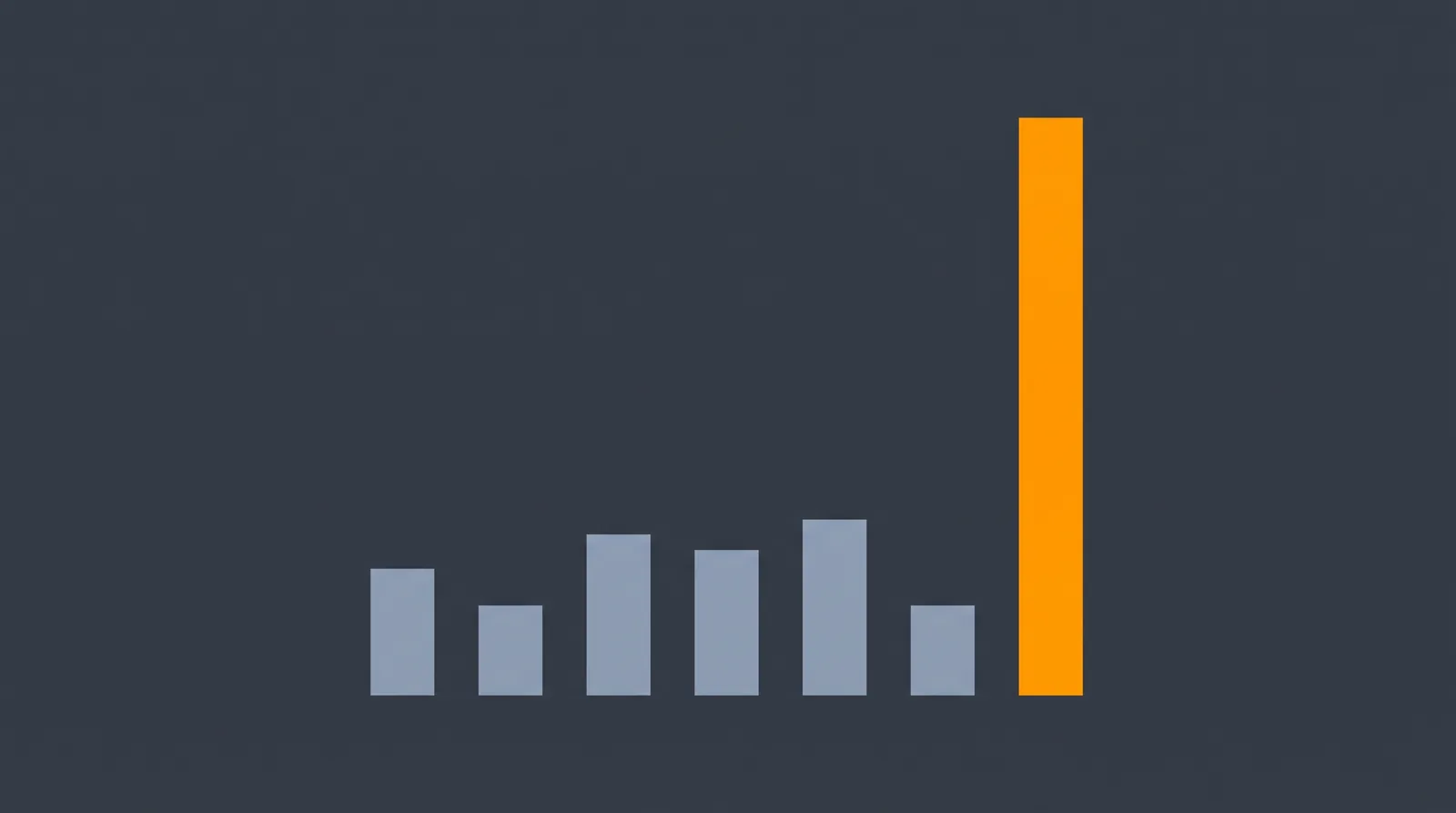
Why it matters: Talkadot's 2026 industry data shows median fees scale roughly 5x with response volume. Speakers with 1 to 5 responses sit at a $1,500 median. Speakers with 150 or more sit at $7,500. Ratings stay flat at 99 or above across every tier. The number who responded is the signal.
Related terms: Audience Feedback Data, Post-Event Survey, Fee Range
B
Breakout Session
A breakout session is a smaller concurrent session running alongside a conference's main program, typically 30 to 75 minutes for 20 to 200 attendees. Attendees choose which breakout to attend, so the audience is self-selected and usually more specialized than the general session crowd.
Example: After the morning keynote, 400 attendees split across six breakout rooms, each covering a different track.
Why it matters: Breakouts cost less than a keynote slot and let you test a speaker with a smaller audience before giving them your main stage next year.
Related terms: General Session, Keynote, Workshop
Bureau Commission
A bureau commission is the percentage a speaker bureau earns on a booking it arranges, paid by the speaker out of the quoted fee rather than billed to you separately. The quote you receive already contains it, which is why the commission is usually invisible on your invoice.
Example: You are quoted $15,000 for a speaker. The speaker receives the fee less the bureau's percentage, and your invoice shows one number.
Why it matters: In my 19 years in this business, the range planners describe seeing is 20 to 30 percent. Talkadot's own take rate sits in that same 20 to 30 percent range, also paid by the speaker rather than by you. So the fee structure is not the thing that separates the two models. What separates them is what you can see before you commit: a bureau gives you a curated recommendation and a backstop, and Talkadot gives you what past audiences actually said about that speaker, with the range disclosed up front.
Related terms: Speaker Bureau, Speaker Marketplace, Direct Booking
C
Cancellation Clause
A cancellation clause is the section of the speaker agreement that sets what each side owes if the engagement is called off, usually on a sliding scale tied to how close to the event date the cancellation happens. It also covers force majeure and speaker-side cancellation.
Example: The agreement states you forfeit the deposit if you cancel within 60 days, and owe the full fee within 14 days.
Why it matters: This is the single clause most likely to cost you real money, and it is the one planners most often skim.
Related terms: Speaker Agreement, Deposit, Hold
D
Demo Reel
A demo reel is a short edited video, usually two to five minutes, that a speaker uses to show how they perform on stage. It is assembled from footage of past talks and cut to show the speaker's strongest moments and audience reaction.
Example: A three-minute reel intercutting stage delivery with shots of an audience laughing and taking notes.
Why it matters: It shows you delivery style, which genuinely matters. But the speaker edited it. Treat it as a style sample, not as evidence of how the whole room responded.
Related terms: One-Sheet, Audience Feedback Data, Testimonial
Deposit
A deposit is the portion of the speaker fee paid up front to secure the date, commonly 50 percent, with the balance due on or shortly after the event. Paying it converts a hold into a confirmed booking.
Example: A $6,000 fee is booked with $3,000 paid at signing and $3,000 due within 30 days of the event.
Why it matters: The deposit is usually the amount at risk under the cancellation clause, so the two terms should be read together.
Related terms: Cancellation Clause, Speaker Agreement, Hold
Direct Booking
Direct booking is contracting a speaker without an intermediary agent negotiating on their behalf, whether you found them yourself or through a platform. You handle the fee conversation, the agreement, and the logistics with the speaker or their assistant.
Example: You see a speaker at a conference in March, contact them in May, and sign for your November event.
Why it matters: Talkadot's 2026 industry data shows the median time from an audience member first seeing a speaker to their organization booking that speaker is about 4.5 months, with a range from weeks to over a year. If you are booking direct off something you saw, start earlier than feels necessary.
Related terms: Speaker Bureau, Speaker Marketplace, Bureau Commission
E
Emcee
An emcee is the person who hosts an event from the stage, introducing speakers, managing transitions, and holding the through-line across a multi-hour or multi-day program. Also known as: MC, master of ceremonies, host.
Example: A hired emcee opens each morning, introduces all eight speakers, and closes the conference.
Why it matters: Emcee work is a distinct skill from keynoting and is usually priced separately, often per day rather than per talk.
Related terms: Keynote, Panel Moderation, General Session
Exclusive Representation
Exclusive representation is an arrangement where one bureau or agency is the only party permitted to book a given speaker, so every inquiry routes through them. The speaker cannot accept a direct booking without involving that representative.
Example: You email a speaker and receive a reply directing all booking inquiries to their agency.
Why it matters: With an exclusively represented speaker there is no direct path and no second quote, so your negotiating position is different from the outset.
Related terms: Non-Exclusive Representation, Speaker Bureau, Roster
F
Fee Range
A fee range is the band a speaker charges within, rather than a single price, because the number moves with event type, location, audience size, travel, and how much preparation the engagement requires. Published ranges are usually wide on purpose.
Example: A speaker lists $7,500 to $15,000, quoting the lower end for a local half-day and the upper end for a multi-day out-of-state event.
Why it matters: Talkadot's 2026 industry data shows the market's percentile breakpoints have not moved in three years. The 25th percentile sits at $1,000, the median at $2,500, the 75th at $5,000, and the 90th at $10,000. If a quote sits far outside that structure, it is fair to ask what is driving it.
Related terms: Honorarium, Travel and Expenses, Audience Response Volume
Fireside Chat
A fireside chat is a moderated on-stage conversation between a host and a guest, replacing a prepared talk with a structured interview. It usually runs 30 to 45 minutes and often ends with audience questions.
Example: Your CEO interviews an industry figure on stage for 40 minutes instead of that person delivering a keynote.
Why it matters: It usually costs less than a keynote and asks less preparation of the guest. The quality depends almost entirely on whoever is moderating.
Related terms: Panel Moderation, Keynote, Emcee
G
General Session
A general session is the part of a conference program that the entire audience attends together, as opposed to concurrent breakouts. Keynotes, opening remarks, and closing sessions are general sessions. Also known as: plenary, main stage.
Example: All 900 attendees are in the ballroom for the 9am opening before splitting into tracks.
Why it matters: The general session is your highest-stakes slot, so it is the one where speaker evidence matters most.
Related terms: Keynote, Breakout Session, Emcee
H
Hold
A hold is a provisional reservation of a speaker's date while you finalize budget or approval, placed before any contract or money changes hands. Holds are typically first-hold and second-hold, and they expire.
Example: You place a first hold on October 14 while your board approves the budget, and the speaker gives you two weeks.
Why it matters: A hold is not a booking. If another client offers to contract that date, you are usually given a short window to confirm or release it.
Related terms: Deposit, Speaker Agreement, Cancellation Clause
Honorarium
An honorarium is a fixed payment offered for speaking, typically smaller than a full commercial fee and common in academic, nonprofit, government, and association settings. It is presented as a set amount rather than as a negotiation.
Example: A regional nonprofit offers a $1,500 honorarium plus travel for a 45-minute talk.
Why it matters: Framing a budget as an honorarium signals a fixed number, which some speakers will accept below their usual range for a cause or an audience they want.
Related terms: Fee Range, Travel and Expenses, Speaker Agreement
K
Keynote
A keynote is the featured talk that sets or captures the theme of an event, delivered to the full audience and usually running 45 to 60 minutes. It is the highest-profile speaking slot on most programs and typically the most expensive.
Example: A 50-minute opening talk to 900 attendees at an annual association conference.
Why it matters: It is the format planners buy most. It is also, per Talkadot's 2026 data, the format with the lowest same-organization rebook rate. Treat a keynote booking as a single decision rather than the start of a relationship.
Related terms: General Session, Workshop, Rebooking Rate
M
Meet and Greet
A meet and greet is scheduled time for the speaker to interact with a small group outside their stage slot, such as VIPs, sponsors, board members, or students. It is normally 15 to 45 minutes and is negotiated as part of the agreement.
Example: The speaker spends 30 minutes with 12 platinum sponsors before their afternoon session.
Why it matters: It is one of the cheapest ways to add sponsor value to a booking you are already paying for, but it has to be in the agreement, not requested on the day.
Related terms: Speaker Agreement, Rider, Keynote
N
Non-Exclusive Representation
Non-exclusive representation is an arrangement where a speaker works with multiple bureaus and can also take direct bookings, so no single party controls access. Most working professional speakers operate this way.
Example: The same speaker appears on three bureau rosters and lists a contact form on their own site.
Why it matters: With a non-exclusively represented speaker you usually have more than one route to the same person, which is worth knowing before you accept the first quote.
Related terms: Exclusive Representation, Direct Booking, Roster
O
One-Sheet
A one-sheet is a single-page marketing document a speaker sends to planners, carrying their bio, headshot, talk titles, topic descriptions, past clients, and selected testimonials. Also known as: speaker sheet, media kit, press kit.
Example: A PDF listing three signature talks, a client logo strip, and four quotes.
Why it matters: It is entirely self-authored, so use it to understand what a speaker covers, not to judge how well they cover it.
Related terms: Demo Reel, Testimonial, Audience Feedback Data
P
Panel Moderation
Panel moderation is guiding a multi-person on-stage discussion, which means preparing questions, managing airtime between panelists, and keeping the conversation useful for the audience. It is a separate hire from being a panelist.
Example: A moderator runs a 45-minute discussion between four executives and takes audience questions in the last 10 minutes.
Why it matters: A weak panel is usually a moderation problem rather than a panelist problem, and skilled moderators charge accordingly.
Related terms: Fireside Chat, Emcee, Breakout Session
Post-Event Survey
A post-event survey is the feedback request sent to attendees after a session, capturing ratings and written comments about the speaker and the content. When the speaker collects it in the room, response rates are far higher than when it is emailed days later.
Example: Attendees scan a QR code as the talk ends and submit a rating plus a short comment before leaving.
Why it matters: It produces the response volume and the audience language that give you something concrete to evaluate, rather than a speaker's own summary of how it went.
Related terms: Audience Feedback Data, Audience Response Volume, Testimonial
R
Rebooking Rate
A rebooking rate is how often the same organization brings a speaker back for another engagement, measured across speaker-organization pairs. It is a durable quality signal because it reflects a repeat buying decision rather than an in-the-moment reaction.
Example: Of every 100 organizations that booked a workshop speaker, 6 booked that speaker again.
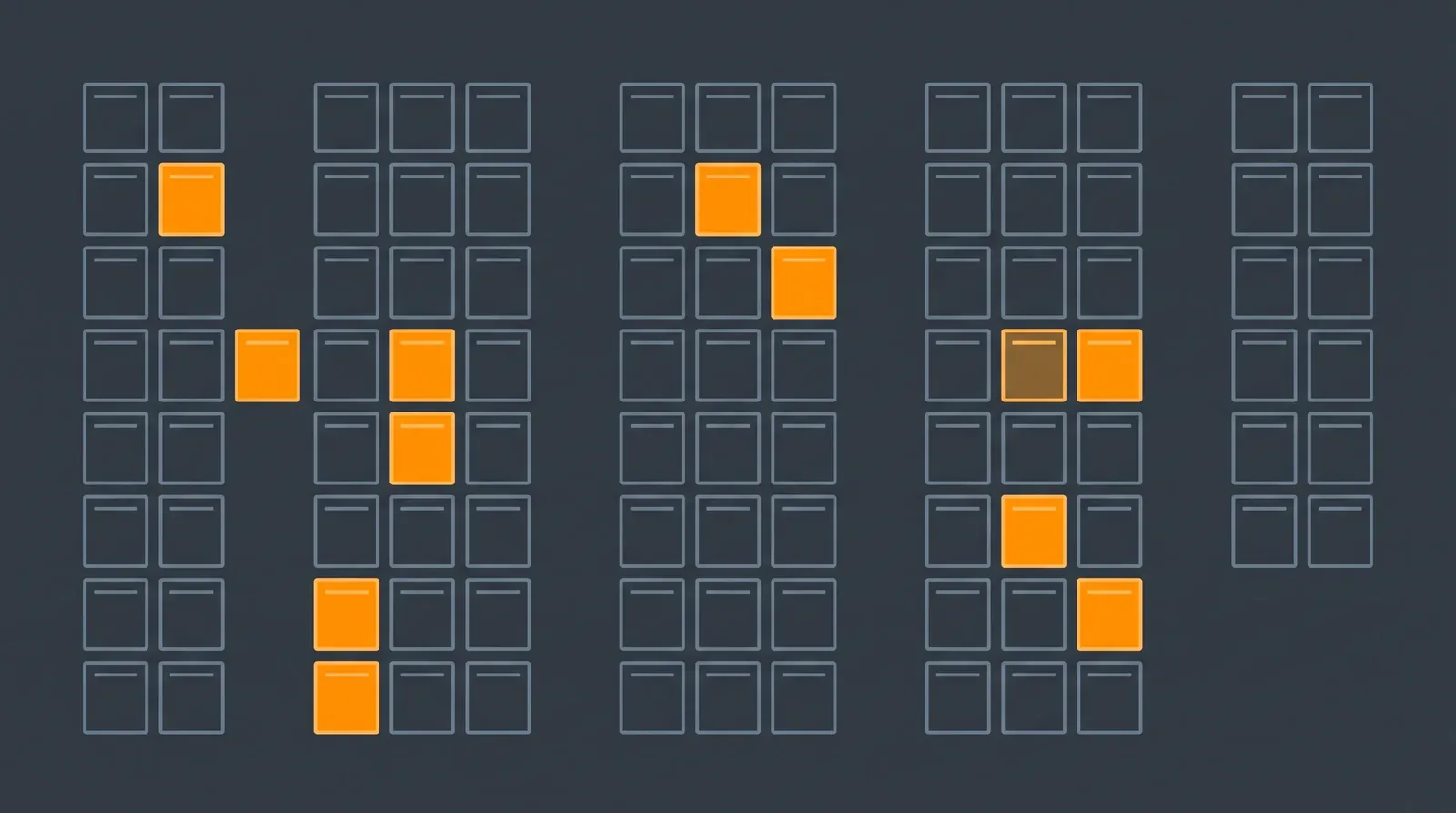
Why it matters: Talkadot's 2026 industry data shows format drives this number hard. Of every 100 speaker-organization pairs, 6 of the workshop relationships continue into another booking. Only 1 of the keynote relationships does. Format shapes this number as much as the speaker does.
Related terms: Workshop, Keynote, Audience Feedback Data
Rider
A rider is the attachment to a speaker agreement setting out what the speaker requires in order to perform. It covers travel and accommodation standards. It covers stage and audiovisual setup, green room, and meals. Also known as: technical rider, hospitality rider.
Example: The rider specifies a wireless lavalier microphone, a confidence monitor, and a non-stop flight in economy plus.
Why it matters: Rider items are real budget lines and they are negotiable, so read it before signing rather than after your audiovisual vendor quotes it.
Related terms: Travel and Expenses, Speaker Agreement, Meet and Greet
Roster
A roster is the list of speakers a bureau or agency represents and actively sells. Some rosters are exclusive, most are not, and inclusion generally reflects a commercial relationship rather than an independent quality assessment.
Example: A bureau's site lists 400 speakers across a dozen topic categories.
Why it matters: A speaker being on a roster tells you they are represented, not that they were vetted against anyone else.
Related terms: Speaker Bureau, Exclusive Representation, Non-Exclusive Representation
S
Speaker Agreement
A speaker agreement is the contract that governs the booking. It sets the fee and payment schedule. It fixes the date and session length. It also covers cancellation terms and travel arrangements. And it covers recording rights plus any additional appearances you expect. Either side may supply the document.
Example: A four-page agreement setting a $9,000 fee, a 50 percent deposit, a 60-day cancellation window, and permission to record for internal use only.
Why it matters: Recording rights and cancellation terms are the two clauses planners most often discover too late, and both are easier to change before signing.
Related terms: Cancellation Clause, Deposit, Rider
Speaker Bureau
A speaker bureau is an agency that represents speakers and sources them for events, acting as intermediary on fee negotiation, contracting, and logistics. It earns a commission on bookings it arranges, paid by the speaker out of the fee.
Example: You brief a bureau on your budget and theme, and an account representative returns five candidates with quotes.
Why it matters: You are buying curation and a backstop from someone who knows the market, and the roster you see is shaped by who that bureau represents.
Related terms: Bureau Commission, Roster, Speaker Marketplace
Speaker Marketplace
A speaker marketplace is a platform where planners search speaker profiles and book directly, without an agent negotiating in between. Marketplaces differ mainly in what evidence sits behind each profile, from self-written listings to verified audience data.
Example: You filter by topic, budget band, and location, then contact three speakers through the platform.
Why it matters: You do the sourcing work a bureau would do, and in exchange you see the full field rather than a shortlist someone else selected.
Related terms: Speaker Bureau, Direct Booking, Audience Feedback Data
T
Testimonial
A testimonial is a quote praising a speaker, chosen by that speaker and published on their site or one-sheet. It usually comes from a planner or an attendee. It differs from audience feedback data in one decisive way: the speaker decides which quotes you see and which you do not.
Example: A speaker's site carries six strong quotes from past clients, with no indication of how many people were asked or how many declined.
Why it matters: Talkadot's 2026 industry data shows average speaker ratings sit at 99 or above across the entire platform, so a positive quote is the baseline rather than a differentiator. Read testimonials to learn what a speaker covers. Read audience response volume to learn how the room actually reacted.
Related terms: Audience Feedback Data, One-Sheet, Audience Response Volume
Travel and Expenses
Travel and expenses are the speaker's costs of getting to and attending your event, billed on top of the fee and covering flights, accommodation, ground transport, and meals. Also known as: T&E, travel buyout.
Example: A $5,000 fee plus roughly $1,200 in travel, or a flat $6,000 all-in.
Why it matters: A flat travel buyout is often easier to approve internally than a variable reimbursement, and many speakers will quote one if you ask.
Related terms: Rider, Fee Range, Honorarium
V
Virtual Keynote
A virtual keynote is a talk delivered remotely to a distributed or hybrid audience, usually 30 to 45 minutes because remote attention drops faster than in-room attention. It carries no travel cost and is typically priced below the in-person equivalent.
Example: A speaker presents for 35 minutes over video to 300 employees across six offices, then takes 10 minutes of chat questions.
Why it matters: It widens your candidate pool past anyone who can physically reach your venue on your date, which matters most when your date is inflexible.
Related terms: Keynote, Travel and Expenses, Fee Range
W
Workshop
A workshop is an interactive working session, commonly 90 minutes to a full day, where a smaller group practices something rather than listening to a talk. It requires more preparation from the speaker and more structure from you.
Example: A half-day session for 40 managers who leave with a completed plan.
Why it matters: Talkadot's 2026 industry data shows 6 of every 100 workshop relationships with an organization continue into another booking, against 1 of every 100 keynote relationships. If you want a speaker relationship rather than a one-time booking, the workshop format is where those relationships actually form.
Related terms: Keynote, Breakout Session, Rebooking Rate
How to Use This Speaker Booking Glossary
This glossary is written for event planners who book speakers occasionally rather than daily, and who meet most of these terms mid-negotiation with someone who has a stake in how they are read.
Bookmark it and pull it up when a quote, an agreement, or a rider arrives. The entries most worth reading before you sign anything are Cancellation Clause, Rider, Speaker Agreement, and Bureau Commission.
Terms are reviewed quarterly and updated as the category changes.
Talkadot exists so planners can find proven speakers and speakers can build a proven reputation. If you are vetting right now and want verified audience feedback behind each profile rather than the quotes a speaker picked, Talkadot is free for event planners. Start at talkadot.com/find-a-speaker.
Further Reading
- What is a speaker marketplace?: the category definition in depth.
- Speaker bureau vs. speaker marketplace: which model fits which booking.
- How much does a keynote speaker cost?: the full fee picture behind the ranges quoted here.
- What data to look at before booking a speaker: how to read audience response volume when vetting.
- Questions to ask before booking a speaker: the conversation these terms show up in.
- Speaker industry data and trends 2026: the dataset behind the figures cited throughout.
Speaker Booking Glossary FAQ
What is the difference between a speaker bureau and a speaker marketplace?
A speaker bureau represents speakers and sources them on your behalf, with an account representative negotiating the fee and handling contracting, earning a commission paid by the speaker. A speaker marketplace is a platform where you search profiles and book directly with no agent in between. The practical difference is that a bureau hands you a shortlist someone else selected, and a marketplace shows you the full field and leaves the sourcing work to you.
What is a speaker rider and do I have to agree to it?
A rider is the attachment to a speaker agreement listing what the speaker requires to perform: travel and accommodation standards, stage and audiovisual setup, green room, and meals. You do not have to accept it as written. Rider items are real budget lines and they are negotiable, so read it before you sign rather than after your audiovisual vendor has quoted against it.
What speaker booking terms should I know before my first negotiation?
Six terms cover most of the risk. Fee range tells you what band you are in. Deposit and cancellation clause together tell you what money is actually at stake if plans change. Rider tells you what the fee does not include. Hold tells you whether your date is genuinely secured. Bureau commission tells you how the intermediary in the conversation is paid.
What is the difference between a hold and a booking?
A hold is a provisional reservation of a speaker's date placed while you finalize budget or approval, with no contract signed and no money paid. A booking is confirmed by a signed agreement and usually a deposit. Holds expire, and if another client offers to contract that date you are typically given a short window to confirm or release it.
Why do speaker fees get quoted as a range instead of a price?
Because the number moves with event type, location, audience size, travel burden, and how much preparation the engagement needs. A local half-day and a multi-day out-of-state event are different jobs for the same speaker. Talkadot's 2026 industry data shows the market's percentile breakpoints have held steady for three years at $1,000, $2,500, $5,000, and $10,000 across the 25th, 50th, 75th, and 90th percentiles.
Which speaker format is most likely to lead to a repeat booking?
Workshops. Talkadot's 2026 industry data shows 6 of every 100 workshop relationships with an organization continue into another booking, against 1 of every 100 keynote relationships. If you are hoping to build a multi-year relationship with a speaker rather than make a single booking, the format itself is part of what determines that.
Talkadot is a platform that helps event planners find and book professional speakers using real audience feedback data, and helps speakers capture audience feedback, testimonials, and leads through a simple QR code.
Published: 2026-07-28. Author: Arel Moodie, cofounder, Talkadot. Data citations: Talkadot's State of the Speaking Industry 2026, based on more than a million verified audience survey responses across tens of thousands of speaking engagements (January 2023 through March 2026). Every headline finding cited meets the report's minimum sample-size threshold (50+ fee-populated events across 20+ speakers). Atom IDs cited: SOSI-001, SOSI-002, SOSI-004, SOSI-005, SOSI-017, SOSI-018, SOSI-026, SOSI-027, SOSI-028.