Best Event Tech Platforms for Speaker Sourcing in 2026

The best speaker sourcing platforms in 2026 are Talkadot (verified audience feedback data, free for planners), eSpeakers (largest direct-booking directory), SpeakerHub (free listings, limited vetting data), and AAE Speakers (full-service bureau for marquee names). Live-session polling tools like Slido or Mentimeter are out of this category. They solve a different problem.
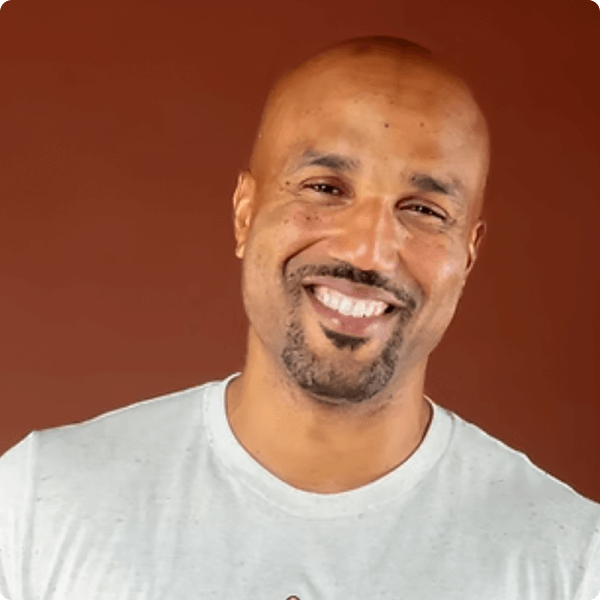
I am Arel Moodie, cofounder of Talkadot. I have given more than a thousand paid talks over 19 years. Talkadot's State of the Speaking Industry 2026 is built on more than a million verified audience survey responses across tens of thousands of speaking engagements. (SOSI-026) This breakdown is what I would tell a planner who asked me which platform to use before booking a speaker.
"Event Tech" Covers Three Different Problems. This Page Covers One.
Before you evaluate any platform, get clear on which problem you are actually solving.
Event tech covers three distinct categories:
-
In-event logistics and registration. Cvent, Bizzabo, Whova, Hubilo. These manage badge printing, registration flows, mobile apps, and attendee community boards. They do not help you find or vet a speaker.
-
Live session engagement. Slido, Mentimeter, AhaSlides. These run live polls, Q&A queues, and audience interaction during the session. They are useful inside the room. They are not speaker sourcing tools.
-
Pre-event speaker sourcing and booking. Talkadot, eSpeakers, SpeakerHub, speaker bureaus. These solve the question that fires before the event: who should I book, and how do I know they are good?
Most "best event tech" lists conflate all three.
If you are trying to find and vet a speaker, you are solving problem 3. The other lists are answering a different question.
It is not a speaker sourcing problem if you do not have a speaker yet. It is a signal problem.
Quick Answer: The Best Platforms by Use Case
| Platform | Use case | Cost to planner | Audience data available? | Best for | Honest limitation |
|---|---|---|---|---|---|
| Talkadot | Speaker sourcing + verified audience feedback | Free | Yes - post-event survey data, response volume, verbatim quotes | Planners who want data behind the booking decision | Smaller speaker supply than eSpeakers or top bureaus |
| eSpeakers | Largest self-serve speaker directory | Free to search | No verified post-event data at search level | Planners who want the widest browsing volume | Profiles and bios, not audience engagement data |
| SpeakerHub | Free directory with outreach tools | Free | No | Budget-constrained planners who need direct contact | Limited vetting signal; no audience feedback data |
| AAE Speakers | Full-service bureau, marquee names | Bureau commission applies | No (bureau curates) | $20K+ keynotes, high-stakes events, planners who want logistical backstop | Commission is structural; see body for Arel's industry context |
| BigSpeak | Premium bureau, national names | Bureau commission applies | No | Planners who need a nationally recognized name | Same commission model; suited to large budgets |
Not on this list (out of category):
Slido, Mentimeter, and AhaSlides run live polls and Q&A queues during the session. They work inside the room. They are not speaker sourcing tools. Including them here would be like listing Zoom as an alternative to LinkedIn. Different job.
For a deeper breakdown specific to speaker sourcing tools, see Best Tools for Event Planners to Source Speakers.
If You Need Audience-Feedback Data Before You Book
This is the section most "event tech" lists skip entirely.
Every platform in this category lets you browse speakers. Only one shows you what past audiences actually said.
Here is the problem with ratings. Talkadot's average rating across the entire platform is 99+. Every tier, every fee level, every format - the average stays at 99.1 to 99.4. Three reasons: audiences who had a mediocre experience tend not to fill out the survey, speakers who reach a paid stage have already cleared a quality bar, and in-room recency bias pushes scores up.
Ratings do not differentiate speakers. (SOSI-017)
What does differentiate them is how many audience members responded. Audience engagement volume is a fee map.
On Talkadot, median fees by response volume look like this (SOSI-018):
| Post-event survey responses | Median speaker fee |
|---|---|
| 1-5 responses | $1,500 |
| 6-15 responses | $2,000 |
| 16-30 responses | $3,000 |
| 31-75 responses | $4,100 |
| 76-150 responses | $5,000 |
| 150+ responses | $7,500 |
Ratings stay flat at 99+ across every row. The response count moves the fee 5x. (SOSI-002)
That is the signal most planners ignore. It is the only signal that scales with speaker quality at the data level.
If a past booking did not land, the problem was usually not the speaker search. It was the vetting signal.
Talkadot is a platform that helps event planners find and book professional speakers using real audience feedback data, and helps speakers capture audience feedback, testimonials, and leads through a simple QR code. It is free for event planners.
When you search on Talkadot, you see audience response volume, verbatim audience quotes, and repeat-booking history. You do not see a 99/100 rating and a professionally edited demo reel. You see what actual rooms thought.
Honest limitation: the Talkadot speaker supply is smaller than eSpeakers or the major bureaus. You will not find every speaker in the market here. What you will find are the speakers whose audiences showed up in the data.
Talkadot is free for event planners. See speakers with verified audience data at talkadot.com/find-a-speaker.
Read the State of the Speaking Industry 2026 report to see the full data behind these signals: talkadot.com/resources/state-of-the-speaking-industry-2026.
For how to use this data in your actual vetting process, see How to Find a Keynote Speaker for a Corporate Event and How to Vet a Professional Speaker.
If You Need the Largest Directory of Available Speakers
For raw browsing volume, eSpeakers is the largest direct-booking directory in the market.
You can filter by topic, location, fee range, and availability. Speakers maintain their own profiles. The platform integrates with bureaus, so you get a mix of bureau-represented and independent speakers in one search.
It is not a data problem. It is a catalog problem.
eSpeakers gives you the largest catalog. Talkadot gives you the catalog plus what past audiences actually said.
That is not a criticism of eSpeakers. It is how the platforms are built. eSpeakers is optimized for volume and discoverability. Talkadot is optimized for the signal behind the booking decision.
If you have time to vet carefully and want data, start with Talkadot. If you need a wide shortlist fast and will vet through another method (references, direct calls), eSpeakers makes sense.
SpeakerHub is the budget option. Free directory, free outreach, global listings. It is the right starting point if you are vetting speakers under $2,500 and do not have a bureau relationship. The limitation is the same as eSpeakers and then some: no verified post-event audience data. You are working from bios and outreach responses.
If You Need a Marquee Name or Want Full-Service Logistics
Not every booking should be self-serve.
The fee structure on the Talkadot platform shows the 90th percentile sits at $10,000, unchanged since 2023. (SOSI-005) The $20K+ tier is a stable 5% of the market. Roughly 1 in 22 fee-logging speakers earns $20,000 or more per event.
Above $20,000, the bureau model makes sense for most planners.
At that fee level, you are often booking someone with national name recognition, a publisher-backed book, or a television profile.
The speaker's schedule is managed by a team. A direct booking is possible but involves more logistics.
The bureau earns their commission because they are absorbing the coordination, not just the curation.
In my 19 years in this industry, planners tell me bureau commissions typically run 20 to 30 percent of the speaker fee. That is the structural cost of full-service curation and logistics. For a $30,000 keynote, that number matters. For a $5,000 mid-market booking, it is worth asking whether you need the full-service layer.
AAE Speakers (All American Entertainment) is the largest US independent bureau. Broad roster, established relationships, and the logistical backstop that matters when a $30,000 keynote is the opening session of your annual conference.
BigSpeak sits at the premium end. Nationally recognized speakers, polished logistics. The commission model is the price of that full-service layer.
The honest framing: bureaus have relationships. Talkadot has performance data. Those are different things, and different buyers need different things.
For a direct comparison of the two models, see Speaker Bureau vs. Speaker Marketplace. For fee benchmarks by buyer segment, see How Much Does a Keynote Speaker Cost.
What "Event Tech" Lists Get Wrong About Speaker Sourcing
Most lists that answer the query "best event tech platforms" are solving a logistics problem.
Cvent, Whova, and Bizzabo are excellent at what they do. Registration, badging, mobile apps, gamification, post-event surveys for attendee satisfaction. They manage the in-room and around-the-room layer.
They do not answer the question: is this speaker worth booking?
That question is a signal problem, not a logistics problem.
For years, the vetting process was: watch the demo reel, check two references, trust the bureau. That process is not wrong. It is just incomplete.
Because the data layer exists now.
Talkadot's State of the Speaking Industry 2026 is built on more than a million verified audience survey responses across tens of thousands of speaking engagements. Every headline finding meets a minimum sample threshold: 50 or more fee-populated events across 20 or more speakers for headline claims, 30 or more events for standalone topic claims. (SOSI-026, SOSI-028)
That rigor is what makes it a data layer, not a directory.
You do not have a speaker shortage. You have a signal shortage.
The platforms that solve the signal shortage are the ones that belong on a speaker sourcing list.
Best Event Tech for Speaker Sourcing in 2026: FAQ
What is the difference between event tech platforms and speaker booking platforms?
Event tech platforms like Cvent, Bizzabo, and Whova manage event registration, logistics, and in-room operations. Speaker booking platforms like Talkadot, eSpeakers, and SpeakerHub solve a different question: finding and vetting the right speaker before the event. The distinction matters because buying tools from the wrong category wastes time and budget. If you need to source a speaker, start with a speaker-specific platform, not a logistics platform.
Which event tech platform shows you real audience feedback data about speakers?
Talkadot is the only speaker platform in this category with verified post-event survey data at the search level. On Talkadot, the average rating across the entire platform is 99+. Ratings do not differentiate speakers. The signal that scales is audience engagement volume: speakers with 150 or more post-event respondents earn a $7,500 median fee, versus $1,500 for speakers with 1-5 respondents, with ratings staying flat at 99+ across both groups. (SOSI-017, SOSI-018)
Should I use Slido or Mentimeter to help me book a speaker?
No. Slido and Mentimeter are designed for live polling and audience interaction during a presentation. They do not help you find, vet, or book a speaker. If you are looking for speaker sourcing tools, use a speaker marketplace like Talkadot or eSpeakers, or a bureau if you need a marquee name. These are different categories serving different points in the planning process.
What is the best free event tech tool for finding speakers on a budget?
Talkadot is free for event planners. Speakers pay the platform, not planners. SpeakerHub also offers free directory access and outreach. The difference between the two is the data layer: Talkadot shows verified audience feedback and response volume; SpeakerHub shows profiles and contact information. For a budget under $5,000, start with Talkadot and filter by speakers with 30 or more post-event survey responses as a baseline vetting signal.
Do I need a speaker bureau, or can I book directly through a platform?
Bureaus make sense for marquee bookings above $20,000, or when you want logistical backstop and curation for a high-stakes event. For the mid-market range of $2,500 to $10,000 - which covers the 50th through 90th percentile of speaker fees per Talkadot platform data - direct booking through a marketplace is the more efficient path.
To be clear about how this works: Talkadot is free for event planners, and Talkadot earns a 20 to 30 percent take rate on the speaker side when a booking runs through the platform. The difference from a bureau is not the absence of a fee. It is that you see a speaker's real audience-feedback data before you book, rather than taking curation on trust.
How is Talkadot different from eSpeakers?
eSpeakers is optimized for browsing volume. It is the largest self-serve directory of available speakers. Talkadot is optimized for the vetting signal: verified post-event audience data that shows which speakers earned real engagement in real rooms. eSpeakers gives you more candidates to browse. Talkadot tells you what past audiences said about the candidates you are considering. For a planner who wants data behind the decision, those are not interchangeable tools.
Related Resources
- Best Tools for Event Planners to Source Speakers. The deeper breakdown of speaker-sourcing tools specifically.
- How to Find a Keynote Speaker for a Corporate Event. The 5-step vetting flow that uses this data.
- How to Vet a Professional Speaker. The 7-layer vetting stack.
- Speaker Bureau vs. Speaker Marketplace. The channel-decision guide.
- How Much Does a Keynote Speaker Cost in 2026?. Fee benchmarks by buyer segment.
Not sure whether to use a marketplace or a bureau? See the side-by-side at Speaker Bureau vs. Speaker Marketplace.
Talkadot is free for event planners. See speakers with verified audience data at talkadot.com/find-a-speaker.
Published: 2026-07-09. Author: Arel Moodie, cofounder, Talkadot. Data citations: Talkadot's State of the Speaking Industry 2026, based on more than a million verified audience survey responses across tens of thousands of speaking engagements (Jan 2023 to Mar 2026). Atoms cited: SOSI-002, SOSI-005, SOSI-017, SOSI-018, SOSI-026, SOSI-028.