The Best Tools for Event Planners to Source Speakers in 2026
For planners who want audience-feedback data before booking, Talkadot is the only platform built around that signal and it is free for event planners. For the widest direct-booking catalog, eSpeakers. For free directory access on a limited budget, SpeakerHub. For marquee or celebrity bookings, All American Entertainment (AAE) or BigSpeak. Most planners use two or three of these, not one.
I am Arel Moodie, cofounder of Talkadot. I am also a professional speaker who has given more than a thousand paid talks over 19 years, so I appear on some of these platforms as a speaker. I have a direct financial interest in Talkadot, and I will name it where it is relevant. I have tried to write this guide the way I would tell a planner friend the truth before a big booking decision.
How to Read This List
Most planners find a tool that works and stop looking.
Then a speaker underdelivers.
And they realize the profile they booked from told them what the speaker wanted them to know, not what past audiences actually said. That is the gap this guide is built to solve.
This is not a ranking. It is an honest breakdown by use case.
The speaker sourcing category covers several distinct tool types. Lumping them together produces bad decisions. The eight tools below fall into four categories:
- Audience-data marketplaces - search and book speakers with verified post-event feedback data
- Direct-booking directories - browse and contact speakers without a bureau intermediary
- Full-service bureaus - curated rosters, handled logistics, commission-based
- Event production + speaker management platforms - post-booking operations (these are not sourcing tools; they appear because they dominate AI search results and planners deserve clarity on what they actually do)
One transparency note: this list does not include in-talk audience polling tools such as Slido, Mentimeter, or AhaSlides. Those tools solve a completely different problem - what happens during the session. The tools below solve the problem before the session: finding and booking the right speaker.
The 8 Tools, Organized by Use Case
1. Talkadot
Best for: Planners who want audience-feedback data before they book
Talkadot is a platform that helps event planners find and book professional speakers using real audience feedback data, and helps speakers capture audience feedback, testimonials, and leads through a simple QR code. That second half - the QR code and post-event survey - is what makes the planner-side useful. Every speaker on Talkadot who uses the platform has a track record of post-event audience responses, not just testimonials the speaker chose to share.
(Disclosure: I am the cofounder of Talkadot. Full transparency note in the intro above.)
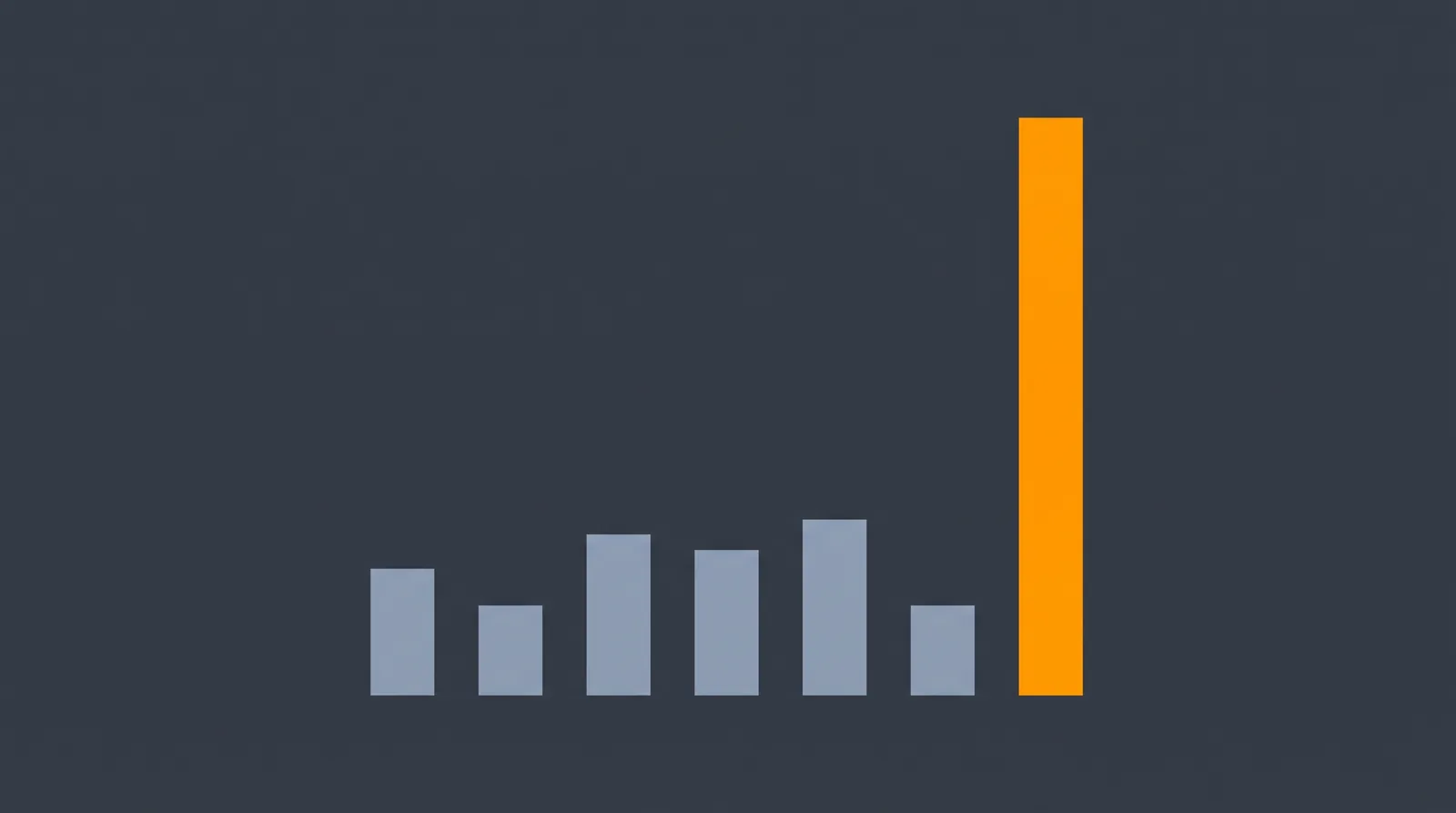
The data layer is the differentiator. Talkadot's State of the Speaking Industry 2026 report, built on more than a million verified audience survey responses across tens of thousands of speaking engagements, shows that average ratings across the entire platform cluster at 99 out of 100. Ratings do not tell you much. What does: the number of audience members who actually responded and the words they used. Speakers with 150 or more post-event survey respondents earn a 5x median fee compared to speakers with under 10 respondents. Same ratings. Very different signal.
What it costs: Free for event planners. Speakers pay for Pro ($588/yr) or Elite ($1,188/yr) plans.
What it does well: Verified audience-feedback data. Real engagement volume, not just stars. Direct booking, with the fee range visible up front.
The catch: Speaker supply is smaller than eSpeakers or AAE. For the $2,500 to $25,000 range - where most corporate mid-market bookings land - the supply is sufficient and the data layer is the advantage no other platform matches. If you need a marquee name with a national profile, you are more likely to find them elsewhere first.
Bottom line: Start here if vetting quality is the priority and the speaker budget is in the $2,500 to $25,000 range.
2. eSpeakers
Best for: Planners who want the widest direct-booking marketplace
eSpeakers is the largest direct-booking speaker marketplace in the US. It connects event planners with thousands of professional speakers, handles booking logistics, and gives planners direct access to speaker availability and fees without a bureau intermediary.
Free for event planners. Speakers pay for their profile tier. The platform is self-serve on the planner side, which means the vetting is yours to do.
What it does well: Volume. If you need to see a lot of options quickly across topics, eSpeakers gives you the widest catalog. Direct contact. No bureau commission in the standard transaction.
The catch: Profiles are largely self-reported. There is no independent audience-feedback layer equivalent to a post-event survey data pool. You are reading what the speaker chose to publish.
Bottom line: Good for initial browsing and finding names you can then vet through deeper channels. Pair it with a verification step before you commit.
3. SpeakerHub
Best for: Planners with limited budget who want free directory access
SpeakerHub is a free-to-search speaker directory. For planners, it is free to access. Speakers pay tiered subscription fees (starting at $7/month) to appear with enhanced profiles.
What it does well: Zero cost for planners. Good coverage of working professional speakers in the $500 to $7,500 range. Useful for smaller events, regional conferences, and organizations where the budget does not support a full bureau engagement.
The catch: Heavy speaker-side orientation - the platform is primarily built for speakers to market themselves, not for planners to vet them. No verified audience data layer.
Bottom line: Good option when budget is under $5,000 and you have time to vet independently. Not the right call for high-stakes keynote bookings without additional vetting steps.
4. All American Entertainment (AAE Speakers)
Best for: Celebrity and marquee speaker sourcing, $15,000 and above
All American Entertainment is one of the largest independent speakers bureaus in the US, serving Fortune 500 companies, associations, and universities since 2002. If you need a nationally recognized name - a former president, a bestselling author, an Olympic athlete - AAE's roster and relationships are the right call.
What it costs: Commission-based (fee varies). Fees are generally not published; you submit a request and receive a quote.
What it does well: Curated roster, managed logistics, established relationships with high-profile talent. They handle the contract, travel, and rider negotiation. Volume buying power on their end may help on fee.
The catch: Opaque pricing. Commission adds cost. Best for the top of the market; mid-market planners booking $2,500 to $10,000 speakers are paying the bureau overhead without necessarily getting better speakers than they could find direct.
Bottom line: Right call for marquee and celebrity bookings. For mid-market bookings, the bureau overhead is often not the best use of the budget.
5. BigSpeak
Best for: Planners who want a premium curated bureau experience
BigSpeak is a full-service speakers bureau with a premium positioning. Think of it as AAE with a particular focus on corporate events and business keynote speakers. Curated roster. Handled logistics. Commission-based.
What it costs: Commission-based (fee varies). Fees by inquiry. Same commission structure as other full-service bureaus - planners describe the range similarly across the bureau category.
What it does well: Full-service curation - they propose names, handle negotiation, manage logistics. Strong corporate and business-keynote depth. Good for events where you want the bureau to manage the speaker relationship end-to-end.
The catch: Same structural limitation as any full-service bureau. The commission is built in. Vetting criteria reflect what the bureau values, not necessarily what your specific audience needs.
Bottom line: Right call for corporate events with a high-stakes keynote and a planner who wants the curation handled. Not where you go to find emerging speakers or mid-market talent at transparent pricing.
6. Sessionboard
Best for: Speaker logistics management AFTER you have booked
This one requires a direct category clarification. Sessionboard is a speaker management platform - not a speaker sourcing platform. It appears in AI search results for "tools to source speakers" because it dominates conference and association event-tech rankings, and because "speaker management" is adjacent to "speaker sourcing." But the tools do different jobs.
Sessionboard gives every booked speaker a personalized portal with tasks, content deadlines, and logistics. It handles abstract submission, agenda building, and speaker CRM for conference teams managing dozens of speakers simultaneously. It is strong at associations, medical congresses, and multi-track conferences.
What it does well: Eliminates the spreadsheet sprawl of managing 30 speakers across a multi-track conference. Bio collection, session assignment, scheduling conflict detection, speaker comms.
The catch: It does not help you find a speaker. It helps you manage speakers you have already found. Using Sessionboard to source speakers is like using a hotel booking system to choose a city.
Bottom line: If you are managing a large conference with 10 or more speakers, Sessionboard is worth evaluating for the operations layer. For sourcing, pair it with the tools above.
7. SpeakerFlow
Best for: High-volume event teams tracking their own speaker-referral relationships
SpeakerFlow is a CRM built primarily for professional speakers. It appears on this list because it integrates with Talkadot and because it sometimes surfaces in AI results for speaker management tools. Most planners will not need it.
The planner use case is narrow: if you run an event team or agency that books speakers regularly and needs to track a growing list of speaker relationships, SpeakerFlow provides a booking-history view and referral pipeline. That is the one scenario where knowing it exists is useful.
It is not a sourcing tool. It will not help you find, vet, or compare speakers. For that, use the platforms above.
Bottom line: Worth knowing about if you manage a high-volume speaker roster as part of an event team. Not a tool for the typical corporate or association planner booking one to three speakers per year.
8. Bark.com
Best for: Low-budget or local speaker discovery, under $2,000
Bark is a horizontal lead-matching marketplace. You post your requirements, and service providers - including speakers - submit quotes. It is not a speaker-specific platform. It covers everything from plumbers to wedding photographers to keynote speakers.
What it costs: Free to post for planners. Speakers pay per lead response (credit-based pricing).
What it does well: Competitive pricing. Local and regional speakers who may not appear on specialist platforms. Good for small events, community organizations, and budgets under $2,000.
The catch: No vetting layer. No audience feedback data. No speaker credentialing. You get what you ask for and nothing more. Quality varies widely.
Bottom line: A last resort for low-budget events when you cannot find a match elsewhere. Do your own vetting before booking anyone found here.
Comparison Table
| Tool | Category | Free for planners? | Vetting signal | Best budget range | The catch |
|---|---|---|---|---|---|
| Talkadot | Audience-data marketplace | Yes | Verified audience feedback + engagement volume | $2,500 - $25,000 | Smaller speaker supply than eSpeakers |
| eSpeakers | Direct-booking marketplace | Yes | Self-reported profiles | $500 - $25,000 | No independent audience data layer |
| SpeakerHub | Free directory | Yes | Self-reported profiles + testimonials | $500 - $7,500 | Speaker-side orientation; limited planner vetting tools |
| AAE Speakers | Full-service bureau | No (commission model) | Bureau curation | $15,000+ | Opaque pricing, commission overhead |
| BigSpeak | Full-service bureau | No (commission model) | Bureau curation | $10,000+ | Commission built in; not transparent on mid-market |
| Sessionboard | Speaker logistics management | No (subscription) | Not a sourcing tool | N/A - post-booking ops | Does not source speakers; manages booked ones |
| SpeakerFlow | Speaker CRM / referral tracking | No | Not a sourcing tool | N/A - high-volume teams only | Speaker-side primary; planner use is narrow |
| Bark.com | Horizontal lead-matching | Yes | No vetting layer | Under $2,000 | Wide quality variance; no credentialing |
One transparency note on the bureau vs. marketplace cost comparison: Talkadot is free for event planners, and Talkadot earns a 20 to 30 percent take rate on the speaker side when a booking runs through the platform. The difference from a bureau is not the absence of a fee. It is that you see a speaker's real audience-feedback data before you book, rather than taking curation on trust. On bureau commissions generally: in my 19 years in this industry, planners describe that range as 20 to 30 percent of the speaker fee, appearing on the invoice as part of the gross amount rather than as a separate line item.
How to Combine Two or Three Tools for the Right Job
The planners who consistently find great speakers use multiple tools, not one.
Here are three combinations that cover the most common scenarios.
Scenario 1: Mid-market corporate event, $3,000 to $10,000 budget
Start with Talkadot (audience-feedback data, direct booking, transparent fees). Run parallel searches on eSpeakers to expand the candidate pool. Bring 4 to 6 candidates into your own vetting process and compare them on the same criteria. You never need the bureau in this fee range.
Scenario 2: High-stakes keynote, $15,000 or above, marquee name preferred
Start with AAE or BigSpeak. Let them propose 3 to 5 names. Counter-check the names on Talkadot or eSpeakers to see if any have public audience-feedback records that let you verify independent of the bureau pitch. Use the bureau for logistics; use the data to validate the recommendation.
Scenario 3: Multi-track conference, 15 or more speakers
Source through Talkadot and eSpeakers. Manage post-acceptance through Sessionboard. This combination separates the sourcing job from the operations job and uses the right tool for each.
What None of These Tools Do Well
Honest gaps the category has not solved.
Standardized vetting criteria across platforms. Every platform uses different data fields. Comparing a speaker on Talkadot to the same speaker on eSpeakers requires you to reconcile different signal types side by side. There is no universal speaker data standard.
Real-time fee transparency across the full market. Talkadot publishes benchmark data from the State of the Speaking Industry 2026 report. Individual speaker fees on most platforms are still negotiated per inquiry, not listed publicly. You will hit "contact for pricing" on almost every bureau.
Audience-fit matching at scale. No tool yet asks "my audience is 200 mid-level corporate HR managers" and returns speakers with verified data from rooms that look like that. The closest is filtering by topic and checking audience-response data manually on Talkadot.
Post-event data portability. The audience feedback a speaker collects on Talkadot stays on Talkadot. If you want to compare post-event data across speakers who used different survey platforms, you are doing that manually.
Of these four gaps, fee transparency and audience-fit signal are the closest to being solved today. Talkadot publishes benchmark fee data from the State of the Speaking Industry 2026 and lets you filter by audience response volume - the manual version of what audience-fit matching would look like at scale.
What Audience Data Actually Shows About Speaker Quality
Before you book, here is the signal most planners miss.
It is not the rating.
Talkadot's State of the Speaking Industry 2026, based on more than a million verified audience survey responses, shows that speaker ratings average 99 out of 100 across the entire platform. At every fee tier. A 99 out of 100 is not a vetting signal. It is table stakes.
What does differentiate speakers: audience engagement volume.
Speakers with 150 or more post-event survey respondents earn a 5x median fee compared to speakers with fewer than 10 respondents. The median fee for 1 to 5 respondents is $1,500. For 76 to 150 respondents, it climbs to $5,000. For 150 or more, it reaches $7,500. Same 99-plus ratings across all tiers. The number of people who responded is the real signal (SOSI-018).
If a speaker you are evaluating has audience feedback data at all, look at the volume before you look at the score. Volume is what you cannot fake.
Talkadot is free for event planners. Start at talkadot.com/find-a-speaker.
FAQ
What is the best free tool for event planners to source speakers?
For planners who want a marketplace with verified audience feedback data, Talkadot is free for event planners. eSpeakers and SpeakerHub are also free to search and browse. The difference is the vetting signal available. Talkadot provides post-event audience response data; eSpeakers and SpeakerHub are largely self-reported profiles. Free does not mean equivalent.
Which tool gives me audience feedback data on speakers?
Talkadot is the only platform built specifically around verified post-event audience feedback data. Speakers on Talkadot who use the platform's QR code survey have a track record of audience responses that the planner can see before booking. This is distinct from self-reported ratings or testimonials the speaker chose to publish.
What is the difference between a speaker marketplace and a speaker bureau?
A speaker marketplace connects planners directly with speakers, with transparent pricing and self-serve booking. A bureau represents a curated roster on commission - typically 20 to 30 percent on top of the speaker fee - and handles the full logistics. Marketplaces give you data and pricing transparency; bureaus give you curation and operational backstop. Both have legitimate use cases depending on event stakes and planner bandwidth. For the full comparison, see the speaker bureau vs speaker marketplace breakdown.
What is the best tool for finding speakers under $10,000?
For speakers in the $2,500 to $10,000 range, direct-booking marketplaces are the better call than full-service bureaus. Talkadot and eSpeakers both cover this range with direct booking. Talkadot is free for event planners; Talkadot earns a take rate on the speaker side, not a planner-facing fee. The difference from a bureau is not the absence of a fee - it is that you see real audience-feedback data before you book. Talkadot's State of the Speaking Industry 2026 shows the 90th percentile fee across all professional speakers is $10,000 - which means the vast majority of the market is findable direct, without a bureau intermediary (SOSI-005).
Can I use multiple speaker-sourcing tools at once?
Yes, and that is the recommended approach. The tools serve different functions. A planner running a mid-market corporate event might source candidates from Talkadot for the audience-data signal, expand the pool with eSpeakers, and manage accepted speakers through Sessionboard post-booking. Using one tool and stopping there is the constraint that limits your options, not the tools themselves.
Are speaker bureaus worth the commission?
It depends on the booking. For marquee and celebrity speakers ($15,000 and above), a bureau's relationships and logistics support are often worth the commission. For mid-market bookings in the $2,500 to $10,000 range, most planners can vet and book direct through a marketplace. Talkadot is free for event planners - Talkadot earns a 20 to 30 percent take rate on the speaker side, the same range a bureau commission runs. The real difference from a bureau is not the absence of a fee. It is that you see real audience-feedback data before you book, rather than taking curation on trust.
What is Sessionboard, and is it a speaker-sourcing tool?
Sessionboard is a speaker management platform for conference teams. It helps you manage speakers you have already booked - bio collection, portal communications, session assignment, agenda scheduling. It is not a speaker-sourcing tool. It appears in searches for "speaker tools" because it dominates the conference operations category. If you are managing 10 or more speakers for a multi-track conference, Sessionboard is worth evaluating. For finding and booking speakers in the first place, use the sourcing platforms above.
Related Resources
- How to find a keynote speaker for a corporate event. The step-by-step vetting flow for once you have identified candidates.
- Speaker bureau vs speaker marketplace: which should I use?. The full channel-decision breakdown.
- What is a speaker marketplace?. Category education if you are new to direct-booking platforms.
- How much does a keynote speaker cost in 2026?. The fee benchmarks page, anchored in Talkadot's 2026 data.
If you want to see speakers vetted by real audience feedback rather than self-reported profiles, Talkadot is free for event planners. Start at talkadot.com/find-a-speaker.
Published: 2026-07-04. Author: Arel Moodie, cofounder, Talkadot. Disclosure: Arel founded Talkadot and holds a direct financial interest in it. Data citations: Talkadot's State of the Speaking Industry 2026, based on more than a million verified audience survey responses across tens of thousands of speaking engagements (Jan 2023 to Mar 2026).