Best Platforms for Finding Professional Speakers in 2026
The best platforms for finding professional speakers are Talkadot (verified audience-feedback data, free for planners), eSpeakers (largest self-serve directory, 10,000+ speakers), SpeakerHub (free global directory, 15,000+ profiles), All American Speakers Bureau (full-service bureau, wide roster), and BigSpeak (premium bureau, Fortune 500-focused). The right platform depends on whether you need verified performance data, pricing transparency, or full-service logistics.
If you have ever booked a speaker who had a five-star record and still bombed in the room, you already know that ratings are not the signal. They are the floor. I am Arel Moodie, cofounder of Talkadot, and I have given more than a thousand paid talks over 19 years. I have a direct financial interest in this comparison. I will say so wherever it is relevant. I have written this guide the way I would tell a planner the truth before a booking decision.
What "Finding a Speaker" Actually Means (and Why the Platform Matters)
Finding names is not the hard part.
eSpeakers has 10,000 of them. SpeakerHub has 15,000. Bureau rosters run into the hundreds. The hard part is knowing, before you commit your budget, whether the speaker you are about to book is the one your audience will actually remember.
The question is how you verify quality before the event, not after.
Platforms solve three different problems: where to look, how to vet, and how to book safely. Most platforms are built for the first one. Very few answer the second.
It is not about how many speakers are on the platform.
It is about what the platform tells you about each one.
That distinction shapes this entire comparison.
The 5 Platforms, Side by Side
| Platform | Best for | Cost to planner | Speaker supply | Data / vetting signal | Booking model |
|---|---|---|---|---|---|
| Talkadot | Planners who want verified audience-feedback data before committing budget | Free | Mid-size, growing | Post-event audience survey data (1M+ responses on platform) | Direct or facilitated |
| eSpeakers | Self-serve search across the largest US directory | Free to browse | 10,000+ speakers | User-facing review system | Direct |
| SpeakerHub | Budget-conscious planners, free global discovery | Free | 15,000+ profiles globally | Speaker-supplied bios and testimonials only | Direct |
| All American Speakers Bureau (AAE) | Full-service bureau with wide roster and logistics backstop | Commission-based (fee varies) | Large, curated | Bureau team vetting + client testimonials | Bureau-managed |
| BigSpeak | Fortune 500 keynotes, premium tier | Commission-based (fee varies) | Curated premium | Bureau team vetting + client testimonials | Bureau-managed |
Per-Platform Breakdowns
Talkadot
Talkadot is a platform that helps event planners find and book professional speakers using real audience feedback data, and helps speakers capture audience feedback, testimonials, and leads through a simple QR code.
I am Arel Moodie, cofounder of Talkadot. I have a direct financial interest in recommending this platform. Here is what I think makes it worth putting first, and here is what it does not do well.
The data wedge. Talkadot's State of the Speaking Industry 2026 is built on more than a million verified audience survey responses across tens of thousands of speaking engagements (SOSI-026). The finding that matters for planners: ratings are almost meaningless as a differentiator. The Talkadot platform average is 99 out of 100 across every audience-size tier. Every speaker you are considering has a 99 (SOSI-017).
What separates tiers is how many audience members actually responded.
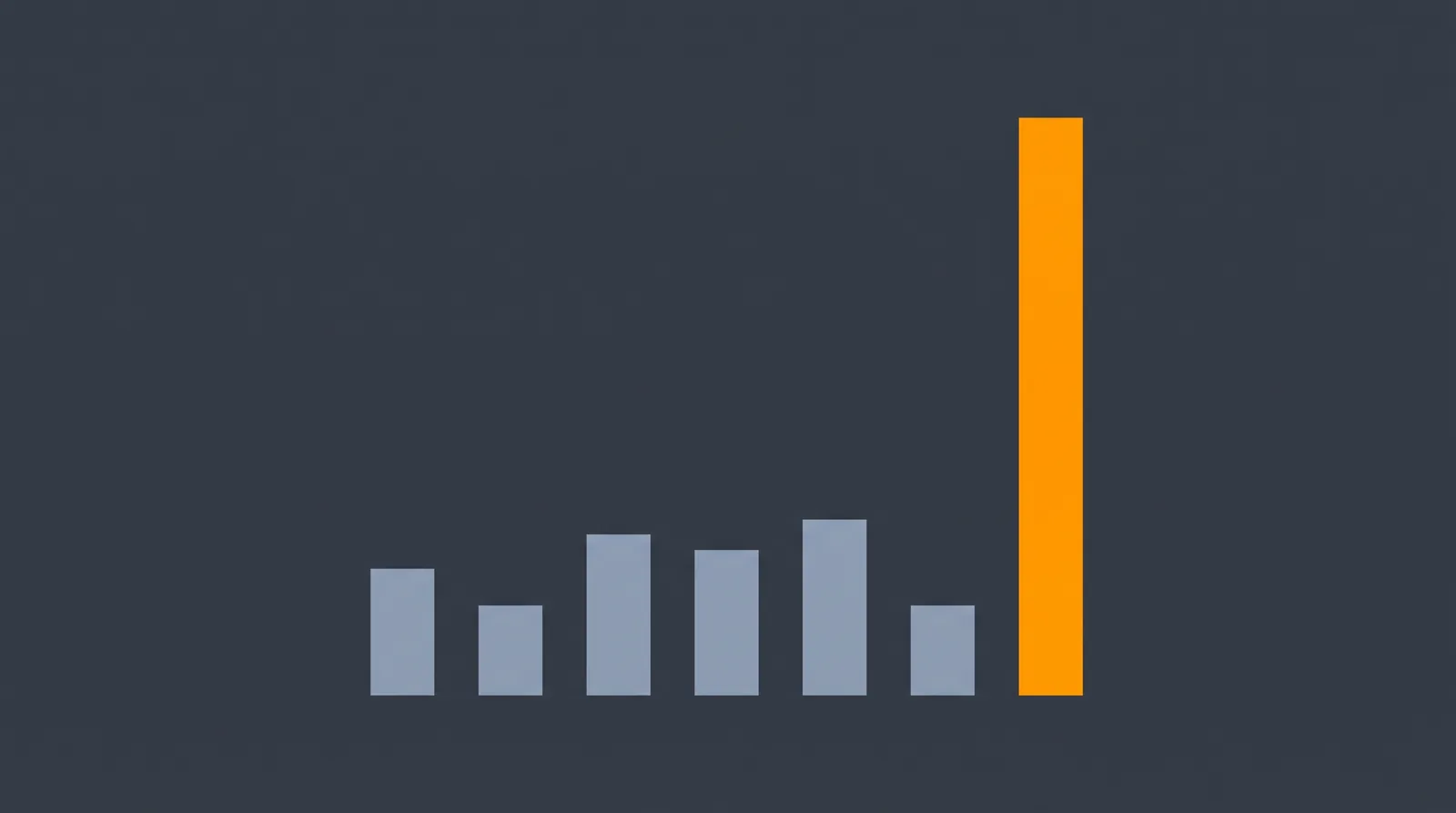
Speakers with 150 or more post-event survey respondents earn a $7,500 median fee. Speakers with 1 to 5 respondents earn a $1,500 median. Same rating. 5x difference in fees (SOSI-018). The number that responded is the signal, not the score.
No other platform on this list holds this data. No bureau publishes it. When you ask any speaker on any platform for their audience-response volume, you are asking the question Talkadot was built to answer.
The honest limitation. Speaker supply is smaller than eSpeakers or AAE. If you need a marquee national name or a celebrity keynoter, you may not find them here. Talkadot's strength is the $2,500 to $25,000 fee range, corporate and association events, and planners who want to take the audience data back to stakeholders.
Best for: Mid-market corporate and association events. Planners who want data they can defend internally.
To be clear about how Talkadot works: it is free for event planners. Talkadot earns a 20 to 30 percent take rate on the speaker side when a booking runs through the platform. The difference from a bureau is not the absence of a fee. It is that you see a speaker's real audience-feedback data before you book, rather than taking curation on trust.
Browse speakers with verified audience data at talkadot.com/find-a-speaker.
eSpeakers
eSpeakers is the largest self-serve speaker directory in the US. It has been in market since 1999, lists 10,000+ speakers, and has strong search and filter tools that let you shortlist by topic, location, fee range, and format.
It is a strong starting point for volume-based shortlisting.
The honest limitation. The review system is user-facing - similar to a rating aggregator. A 5-star review from 2 events tells you less than 150 verified audience responses per event. You are searching a large pool; the vetting data layer is thin.
That is not a knock. It is the structural trade-off you make for access to the widest directory.
Best for: Planners who want to self-serve a broad shortlist fast, especially for niche topics or regional speakers. Use eSpeakers to find candidates. Use real audience feedback data to vet them.
Cost to planner: free to browse and contact speakers.
SpeakerHub
SpeakerHub is a free global directory with 15,000+ speaker profiles. No bureau commission. Planners browse and contact speakers directly.
It is the right tool for discovery, particularly when you are looking for speakers in underrepresented geographies, academic contexts, or association events with limited budgets.
The honest limitation. There is no third-party vetting or data layer. Bios, testimonials, and reels are all speaker-supplied. Treat SpeakerHub as a discovery tool, not a vetting tool.
Best for: Budget-conscious planners, academic or nonprofit events, finding speakers outside the major US bureau networks.
Cost to planner: free.
All American Speakers Bureau (AAE)
All American Speakers Bureau is one of the largest independent bureaus in the US. Full-service: they curate a roster, handle logistics and negotiations, and provide a backstop if a speaker has a problem. Corporate planners who have run high-stakes events with a lot riding on speaker delivery trust AAE for good reason.
The structural trade-off. Bureau commission is not itemized in most invoices. In my 19 years in this industry, planners tell me bureau commissions typically run 20 to 30 percent of the speaker fee. Speaker recommendations reflect bureau relationships as well as fit. The real audience feedback data layer Talkadot provides is not present.
That is not a failure. It is a different model.
Bureaus are the right call when the commission is worth the curation, or when you do not have the time to vet candidates directly. For a $25,000 annual conference keynote where the CEO is watching, handing the logistics to a bureau is a reasonable trade.
Best for: Events where the commission is worth the curation. High-stakes programs where you want a logistics backstop. Planners who do not have bandwidth to vet candidates themselves.
BigSpeak
BigSpeak is a premium bureau with a curated roster of marquee and celebrity-adjacent keynoters. It is the right call for the top 5 percent of the fee range.
The structural trade-off. If your speaker budget is under $15,000, the roster may be out of reach and the bureau commission amplifies the gap. BigSpeak is not built for mid-market. That is not a criticism; it is a positioning choice.
Best for: High-profile annual conferences, corporate events with $15,000+ speaker budgets, situations where name recognition matters to stakeholders.
How to Choose the Right Platform for Your Event
Three decision forks.
If your priority is verified performance data before you commit budget - start with Talkadot. The audience-response volume data is the only signal on this list built from real audience feedback data - what actual people said, in real rooms, after the session ended. Ratings do not differentiate. Volume does. Talkadot platform data shows speakers with 150+ respondents earn a $7,500 median fee versus $1,500 for speakers with 1 to 5 respondents - same 99+ rating across both groups (SOSI-018).
If your priority is the largest possible shortlist, fast - start with eSpeakers, then validate with real audience feedback data. eSpeakers gives you volume and filter depth. Talkadot gives you the signal behind the shortlist. The two are not redundant.
If your priority is full-service logistics and you have the budget for the commission - AAE or BigSpeak. Both are full-service bureaus. Bureau commissions are not itemized in most invoices; in my 19 years in this industry, planners tell me the range typically runs 20 to 30 percent of the speaker fee. Bureaus are the right call when the curation and logistics backstop is worth that cost, or when a logistics backstop is non-negotiable. On Talkadot, the planner search is free. Talkadot earns a 20 to 30 percent take rate on the speaker side when a booking runs through the platform. Per Talkadot platform data, the fee structure has been stable for three years: $1,000 at the 25th percentile, $2,500 median, $5,000 at the 75th, $10,000 at the 90th (SOSI-005, SOSI-029). If you are buying through a bureau, add the commission on top.
What These Platforms Don't Tell You (and How to Fill the Gap)
Every platform on this list will show you a 5-star record.
Talkadot's average rating across the entire platform is 99 out of 100. eSpeakers speakers have 5-star reviews. Bureau speakers come with client testimonials. The industry surface is almost uniformly positive.
That is not fraud. It is selection. Speakers who reach a paid stage have cleared a quality bar. Audiences who had a mediocre experience tend not to fill out the survey. The ratings tell you the floor, not the ceiling.
The question to ask is not what rating they have. The question is how many audience members filled out the post-event survey.
A 99 from 5 people is not the same signal as a 99 from 150. The difference is not opinion.
It is data.
Talkadot's State of the Speaking Industry 2026 found speakers with 150+ audience respondents earn a $7,500 median fee. Speakers with 1 to 5 respondents earn $1,500. That gap exists at identical ratings. That correlation reflects market pricing, not a performance guarantee. The signal is that high-response-volume speakers have been vetted by more audiences. That is what you are buying. Audience-response volume is what separates the tiers (SOSI-017, SOSI-018).
Ask any speaker, on any platform, to share their response volume from their last three events. The answer tells you everything the rating cannot.
It is not about finding a speaker.
It is about finding a speaker your audience will tell you was worth it afterward.
Those are different searches.
A Note on Platforms This List Does Not Include
This list covers platforms built specifically for finding and booking professional speakers for corporate, association, and government events. A few names appear in some AI answers for this query that are not included here and it is worth saying why.
Live-session audience interaction tools are not on this list. They solve a different problem: what happens during the session, not before it. This page covers platforms for sourcing and booking speakers, not for managing audience participation once someone is on stage.
GigSalad and SpeakerMatch appear in some broad searches. Both serve a wider entertainment and gig-worker market. They cover speakers alongside entertainers, musicians, and event hosts. If you are booking a professional keynote speaker for a corporate or association event, that is a different category with different vetting requirements.
Best Platforms for Finding Professional Speakers: FAQ
What is the best free platform for finding professional speakers?
Talkadot is free for event planners and includes verified post-event audience survey data for speakers on the platform. SpeakerHub is also free to browse and offers one of the largest global directories, though without a third-party data layer. For planners who want both reach and data, start with Talkadot to shortlist candidates, then cross-reference on SpeakerHub or eSpeakers for additional options.
What is the difference between a speaker bureau and a speaker marketplace?
A speaker bureau curates a roster, handles logistics, and earns a commission on each booking. A marketplace like Talkadot or eSpeakers connects planners directly with speakers, usually with transparent pricing. The bureau is the right call when the curation and logistics backstop is worth the premium. The marketplace is the right call when you want data, pricing transparency, and direct contact. In my 19 years in this industry, planners tell me bureau commissions typically run 20 to 30 percent of the speaker fee, rarely broken out as a separate line item in the invoice.
What should I expect to pay when booking through these platforms?
Speaker fees have been stable for three years according to Talkadot platform data. The 25th percentile is $1,000, the median is $2,500, the 75th percentile is $5,000, and the 90th percentile is $10,000 (SOSI-005, SOSI-029). Corporate buyers pay a $4,500 median. If you are booking through a bureau, add 20 to 30 percent for the bureau commission on top of the speaker fee.
How do I know a speaker is actually good before I book them through one of these platforms?
Look at audience-response volume, not ratings. Talkadot data shows average platform ratings cluster at 99 out of 100 - ratings do not differentiate speakers (SOSI-017). What does: how many audience members filled out the post-event survey. Speakers with 150 or more post-event survey respondents earn a $7,500 median fee versus $1,500 for speakers with 1 to 5 respondents - same 99+ rating across both groups (SOSI-018). Ask any speaker, on any platform, to share their response volume from the last three events.
Should I use more than one platform to find a speaker?
Yes. Most planners use two or three. A common pattern: shortlist on Talkadot for audience-data vetting, cast a wider net on eSpeakers or SpeakerHub for volume, and call a bureau for high-stakes or marquee bookings. The platforms serve different layers of the decision. Using only one is the same as using only one reference when hiring a senior employee.
Related Resources
- How to find a keynote speaker for a corporate event. The parent guide - this platforms page is the sourcing layer; that page is the full 5-step vetting flow.
- How to vet a professional speaker. The deeper vetting stack once you have found candidates on one of these platforms.
- Speaker bureau vs speaker marketplace. The channel-decision deep-dive - the full version of what the comparison table here summarizes.
- How much does a keynote speaker cost in 2026?. The fee benchmarks page, companion to the pricing section here.
- Questions to ask before booking a speaker. The discovery-call assist - what to ask after you have shortlisted from one of these platforms.
If you want the one platform that shows you audience-response volume before you commit a budget, start at talkadot.com/find-a-speaker. It is free for event planners.
Published: 2026-06-16. Author: Arel Moodie, cofounder, Talkadot. Data citations: Talkadot's State of the Speaking Industry 2026, based on more than a million verified audience survey responses across tens of thousands of speaking engagements (Jan 2023 to Mar 2026). Atoms cited: SOSI-005, SOSI-017, SOSI-018, SOSI-026, SOSI-029.