How Do I Negotiate a Keynote Speaker's Fee?

A speaker's asking price is one data point. Negotiating well means knowing where that number sits against the real distribution before you counter it. Talkadot's 2026 industry data shows two-thirds of engagements on the platform close under $5,000. Separately, the fee structure itself has held steady for three years. Know the range for your buyer segment, know what typically moves a number, and you counter with evidence instead of a guess.
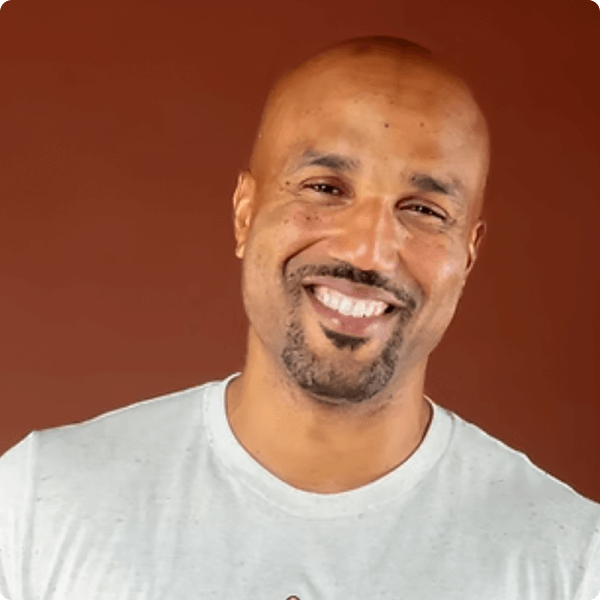
I am Arel Moodie, cofounder of Talkadot. I have negotiated my own fee on one side of the table for nineteen years, and I have watched what actually works from planners on the other side. Here is the honest version, not a haggling script.
Negotiation Is a Data Problem
Most fee negotiation advice treats it like a personality contest. Be confident. Ask nicely. Build rapport first.
None of that is wrong. None of it is the actual lever either.
The lever is knowing whether the number in front of you is high, low, or normal for what you are buying. Without that, you are negotiating blind, and a planner negotiating blind either overpays out of politeness or lowballs a fair number and loses the speaker.
The Real Fee Picture
Talkadot's 2026 industry data shows the fee structure across the platform has been stable for three years: 25th percentile $1,000, median $2,500, 75th percentile $5,000, 90th percentile $10,000. Separately, the data also shows two-thirds of engagements on the platform close under $5,000. That is a different cut of the dataset. It is the share of engagements in a price band, not another way of stating the median. Both facts point the same direction.
That matters more than it looks. If your quote is well above $5,000, you are not in the typical range. You are in the top third, and it is fair to ask what justifies the position. If your quote is under $5,000, you are already in normal territory, and squeezing it further is more likely to lose the speaker than save meaningful budget.
The $20,000-and-up tier is structurally about 5 percent of speakers on the platform. It is not the market. It is the outlier end most planners assume is average because those are the names that get talked about.
Check Your Segment, Not Just the Overall Number
The overall distribution is a starting point, not the whole answer. Talkadot's 2026 industry data breaks fees out by buyer segment.
| Segment | Median | 90th Percentile |
|---|---|---|
| Corporate Teams | $4,500 | $12,800 |
| Government | $4,000 | $10,000 |
| Associations | $3,215 | $10,000 |
| Technology | $3,000 | $17,400 (small sample, treat as directional) |
| Nonprofits | $2,450 | $7,500 |
| Higher Education | $2,200 | $6,000 |
| Startups | $1,050 | $5,000 |
The full ten-segment median table, including K-12, SMBs, and Health and Wellness, lives on how much does a keynote speaker cost?.
If you are a nonprofit and a quote comes in near the corporate median, that is worth a direct conversation. If you are a corporate buyer and a quote sits near the nonprofit median, you may be looking at a genuinely good deal, or a speaker earlier in their booking history. Either way, you are negotiating from a benchmark, not a hunch.
What Actually Moves the Number
A few things genuinely shift a fee. Most haggling tactics do not.
Bundling. In my nineteen years speaking, a keynote plus a workshop or a smaller breakout is one of the few asks that actually moves a number, because the speaker is already on site for the day. Talkadot's data does not measure bundled pricing directly, so treat this as experience, not a platform benchmark. Keynote or workshop: which is better for my event? covers the format tradeoff itself.
Timing and lead time. How far out you book changes your negotiating room. How far in advance should I book a keynote speaker? covers the timing side of this in full.
What's actually included. The quoted fee and the total cost are not the same number. Travel, recording rights, and content customization are often separate line items. What should be in a keynote speaker contract? covers exactly what to check before you assume a "discount" is real.
What Doesn't Move the Number
Haggling against a marquee name's asking price with no benchmark behind you rarely works and can sour a relationship before it starts. A speaker with a full calendar has no reason to move on price just because you asked twice.
Assuming every quote has 30 percent of air built in is also a bad default. In my experience, most working speakers price close to what they need, not far above it. The data-backed move is to check the benchmark first, then ask a specific question about the specific gap you see, not a blanket "can you do better."
Where Talkadot Fits
Talkadot is a platform that helps event planners find and book professional speakers using real audience feedback data, and helps speakers capture audience feedback, testimonials, and leads through a simple QR code. The benchmark data above comes from the same dataset a planner uses to vet a speaker's fit. It gives you an evidence-based number to negotiate against, not a promise of a lower price.
For transparency: when a planner books a speaker through Talkadot, Talkadot takes 20 to 30 percent of booking value on the speaker side. The benchmark data above is the same either way, whether you use it to negotiate a direct booking or one made through the platform.
Negotiating a Keynote Speaker's Fee: FAQ
How do I know if a keynote speaker's quote is too high?
Check it against the real distribution. Talkadot's 2026 industry data shows the fee structure has a $2,500 median overall, and separately, two-thirds of engagements on the platform close under $5,000. If your quote is well above that and above your buyer segment's typical range, it is fair to ask what justifies the number, not assume you have to pay it.
What is a normal keynote speaker fee for my type of organization?
It depends heavily on buyer segment. Talkadot's 2026 industry data shows medians from $1,050 (Startups) to $4,500 (Corporate Teams), with government and association buyers in between. Check your segment specifically rather than using one overall number.
Does bundling a keynote with a workshop actually save money?
Often, in my nineteen years as a working speaker, because a speaker who is already on site for the day has a real reason to price the pair better than two separate bookings. Talkadot's data does not measure bundled pricing directly, so treat this as first-person industry experience, not a platform benchmark.
Should I always try to negotiate a lower fee?
Not automatically. In my experience most working speakers price close to what they actually need. If your quote already sits in the normal range for your segment, pushing harder is more likely to lose the speaker than save meaningful budget. Negotiate from a specific, benchmarked gap, not a reflex.
What is the $20,000-plus tier, and should I expect to pay that?
That tier is structurally about 5 percent of speakers on Talkadot's platform. It is the outlier end, not the norm, even though it is the range most people assume is typical because those are the names that get talked about most.
Does Talkadot help me get a lower price?
No. Talkadot provides real audience feedback data and fee benchmark data so you can evaluate and negotiate from evidence. It does not promise a discount, and it does not claim booking through the platform makes a fee lower than it would be elsewhere. For transparency, when a planner books a speaker through Talkadot, Talkadot takes 20 to 30 percent of booking value on the speaker side.
Related Reading
- How much does a keynote speaker cost?: the full fee picture and what typically sits outside the quoted number.
- What most events spend on a speaker: the budget-benchmark view for planning ahead of a quote.
- How far in advance should I book a keynote speaker?: how timing affects your negotiating room.
- What should be in a keynote speaker contract?: what's actually included in a quoted fee versus billed separately.
- Keynote or workshop: which is better for my event?: the format tradeoff behind a bundling ask.
- How do I justify a speaker fee to my board?: defending an above-median ask internally, once you have negotiated it.
Talkadot exists so planners can find proven speakers and speakers can build a proven reputation. If you want fee and audience-feedback benchmarks before your next negotiation, Talkadot is free for event planners. Start at talkadot.com/find-a-speaker.
Talkadot is a platform that helps event planners find and book professional speakers using real audience feedback data, and helps speakers capture audience feedback, testimonials, and leads through a simple QR code.
Published: 2026-09-18. Author: Arel Moodie, cofounder, Talkadot. Data citations: Talkadot's State of the Speaking Industry 2026, based on more than a million verified audience survey responses across tens of thousands of speaking engagements (January 2023 through March 2026).